Rupert Deese
An Introduction to my Work in the Sierra
This is the letter I sent to several of the birding enthusiasts that we met at the 2022 Mono Basin Bird Chautauqua who inquired after the nature of my work.
Usually people who look at, or enjoy, my work will not have an idea as to the material or conditions to which my work is a response.
What follows is a set of pictures of a selection of works, arranged chronologically, with notes.
Breeze through and you will get the idea...
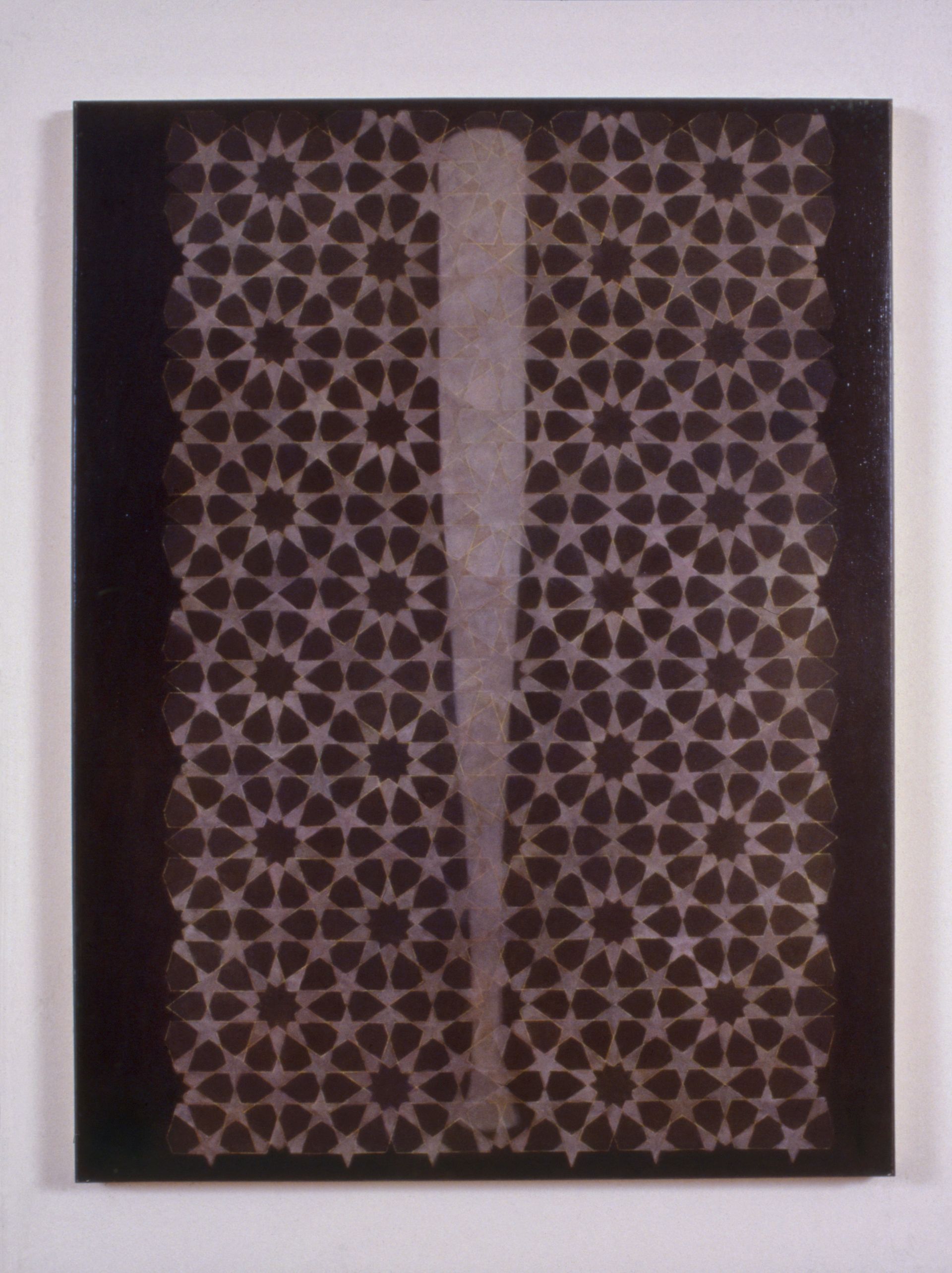
Oil on canvas
50 x 38 in.
In the early 1980s, drawn to the ease of elegant patterning found in Islamic or Moorish architecture, I made a handful of oil paintings using classic tiling patterns as the field. In this case the hovering bat-like shape is to suggest the white whale somewhere in The Pacific -- which turns the pattern into an allusion to wavelets.
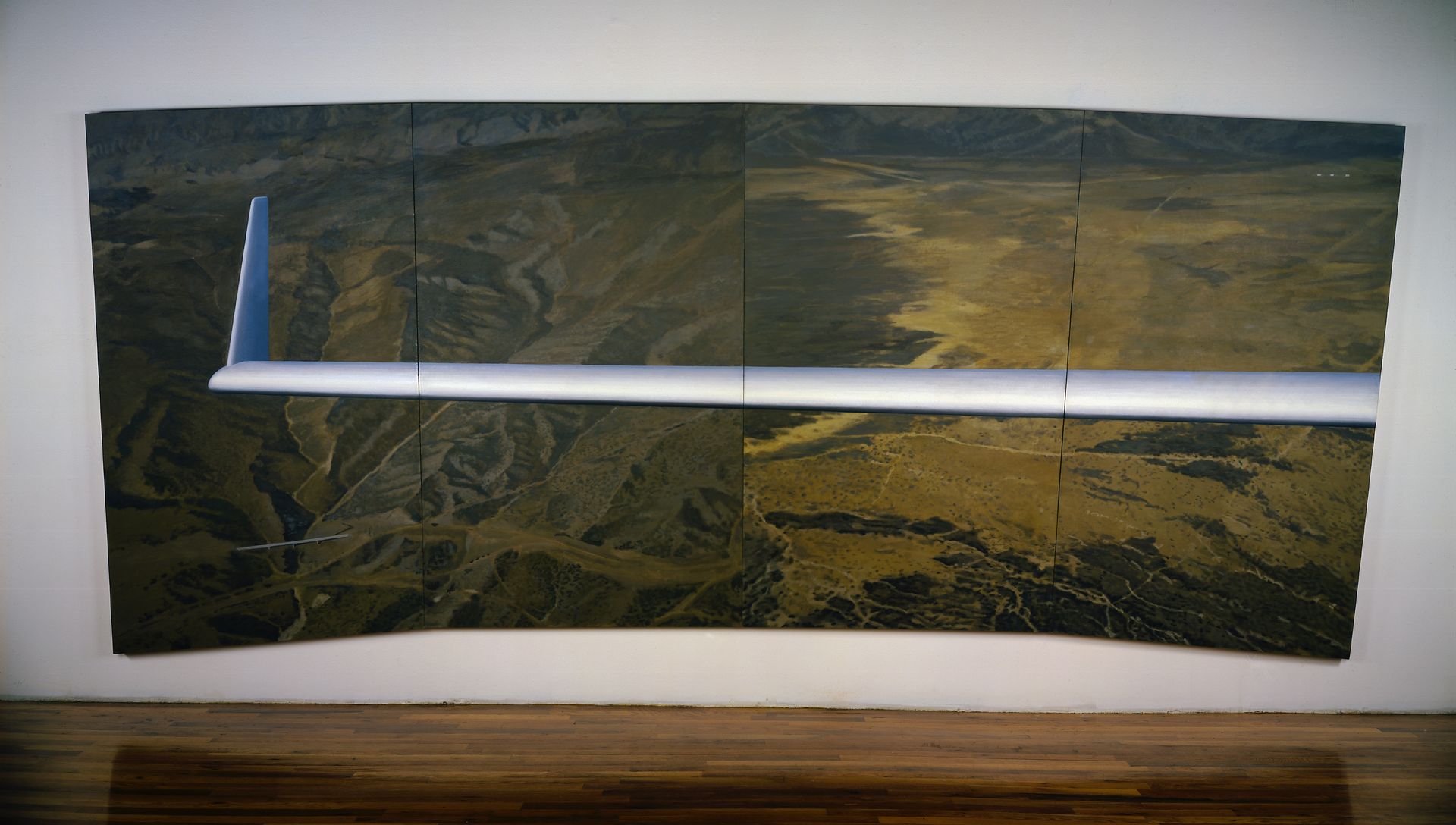
Oil on canvas
88 x 203 in.
The interest in geometric patterns led to larger canvases where the patterns on the land -- natural rivers and mountains and sometimes the indications of civilization -- became the field. The wing is from the Rutan's world circling Voyager, flying out of Mojave. The aqueduct is carrying water to Los Angeles. There are two landscape views conjoined. The dry lake on the right is Keough Dry Lake. The foothills and aqueduct are just a few miles away to the west.
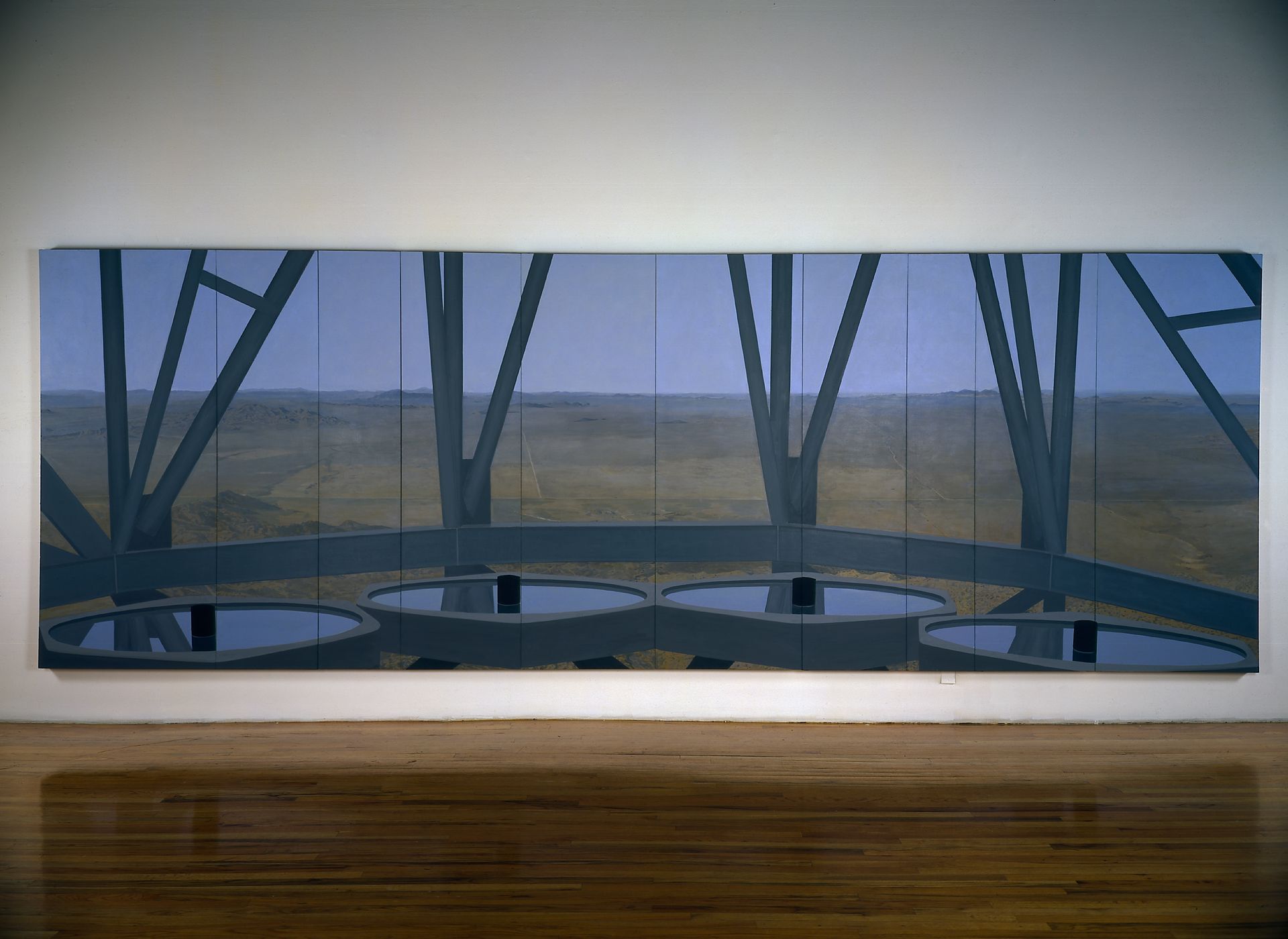
Oil on canvas
82 x 238 in.
The mirrors and structure are elements drawn from one of the first multiple-mirror telescopes. The view is not from Mt. Hopkins but from atop Kitt Peak, just west of Tucson. Breaking from typical European evocations of landscape, Telescope employs a myriad of vanishing points -- more or less one for each panel.
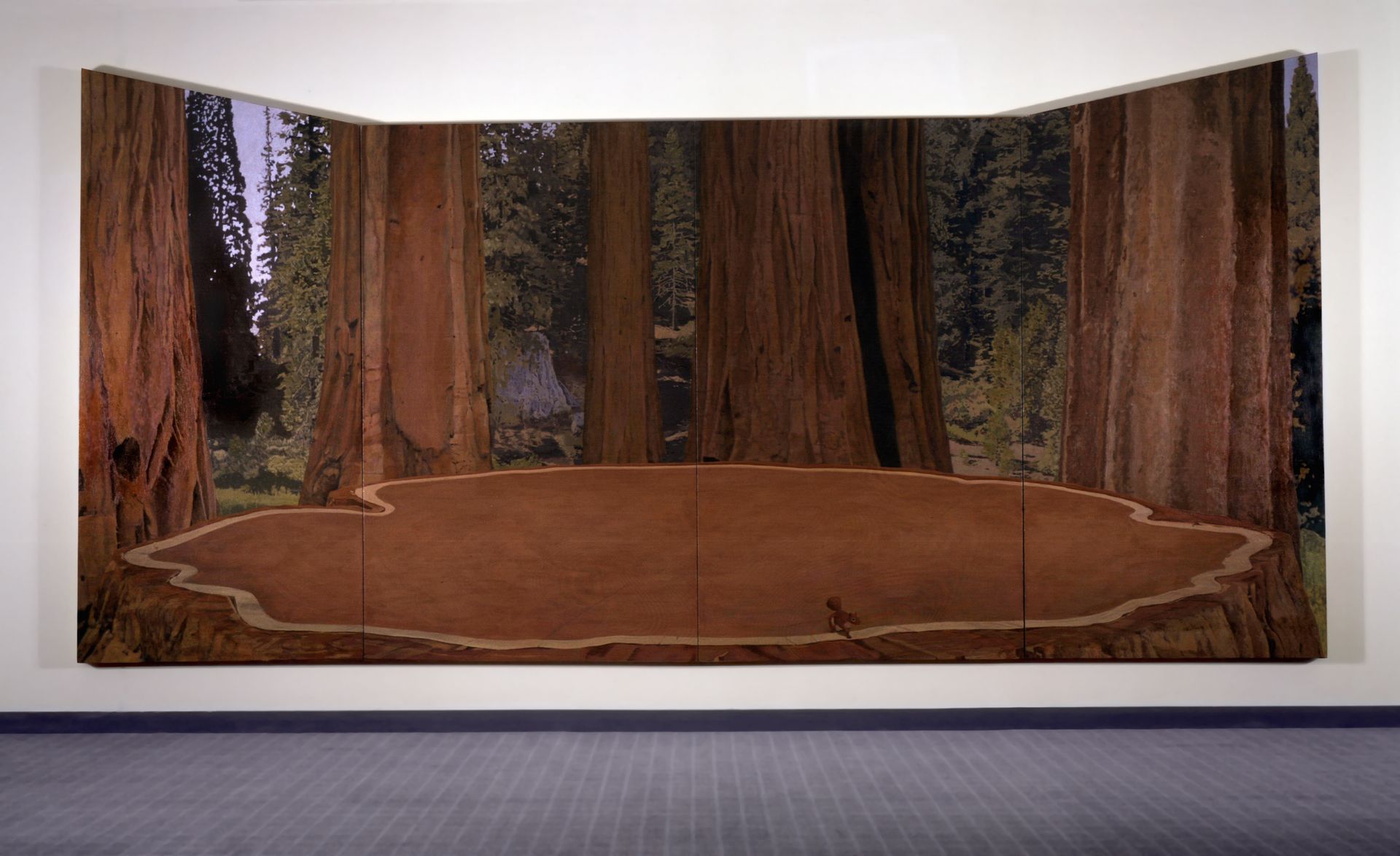
Oil on canvas
The flat in the foreground is the plane left after this large Sequoia was cut down to provide magnificent slabs for the American Museum of Natural History and The British Museum. You may have visited the scene in Sequoia National Park. Here the experiment was to find trees of interest amongst the many Sierra groves, and bring their shapes to a sort of moment of mourning. The five trees are from different parts of the range. The Douglas squirrel is an important member of each groves' habitat. The self-similarity implicit in the vertical patterns of bark, the columns of individual trees, and the clusters of trees -- groves -- allows Redwood to evoke -- perhaps -- the presence of one Sequoia. In Basin and Range, Telescope and Redwood the wing, the telescope, and the cut tree are all rendered full size.
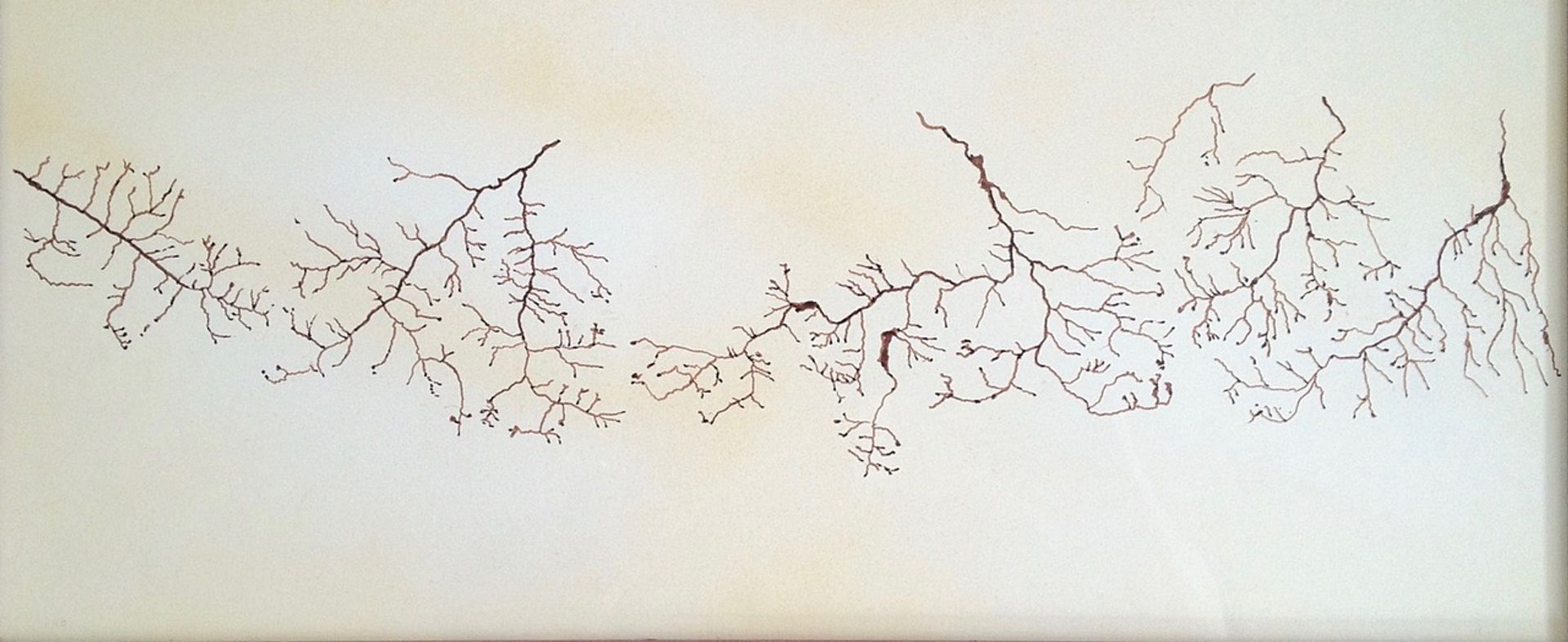
While finishing these three large works, I read John Muir's Mountains of California. The chapter on the Water Ouzel was a game changer -- especially :
Were the flights of all the ouzels in the Sierra traced on a chart, they would indicate the direction of the flow of the entire system of ancient glaciers, from about the period of the breaking up of the ice-sheet until near the close of the glacial winter; because the streams which the ouzels so ridgedly follow are, with the unimportant exceptions of a few side tributaries, all flowing in channels eroded for them out of the solid flank of the range by the vanished glaciers, -- the streams tracing the ancient glaciers, the ouzels tracing the streams.
His description of the vitality of the river valleys with their attendant peaks and cirques got me to imagining the rivers as beautiful forms -- not looking out from a terrestrial vantage point but considered and realized as an object.
- The drawing above -- of the river paths in the Sierra -- served as an announcement for an exhibition organized by the geology department of Franklin and Marshall College. Dr. Dorothy Merrits had studied with USGS legend N. King Huber. The students were polite but somewhat mystified...I really was not sure where I was headed with the adventure, save that I loved the subject.
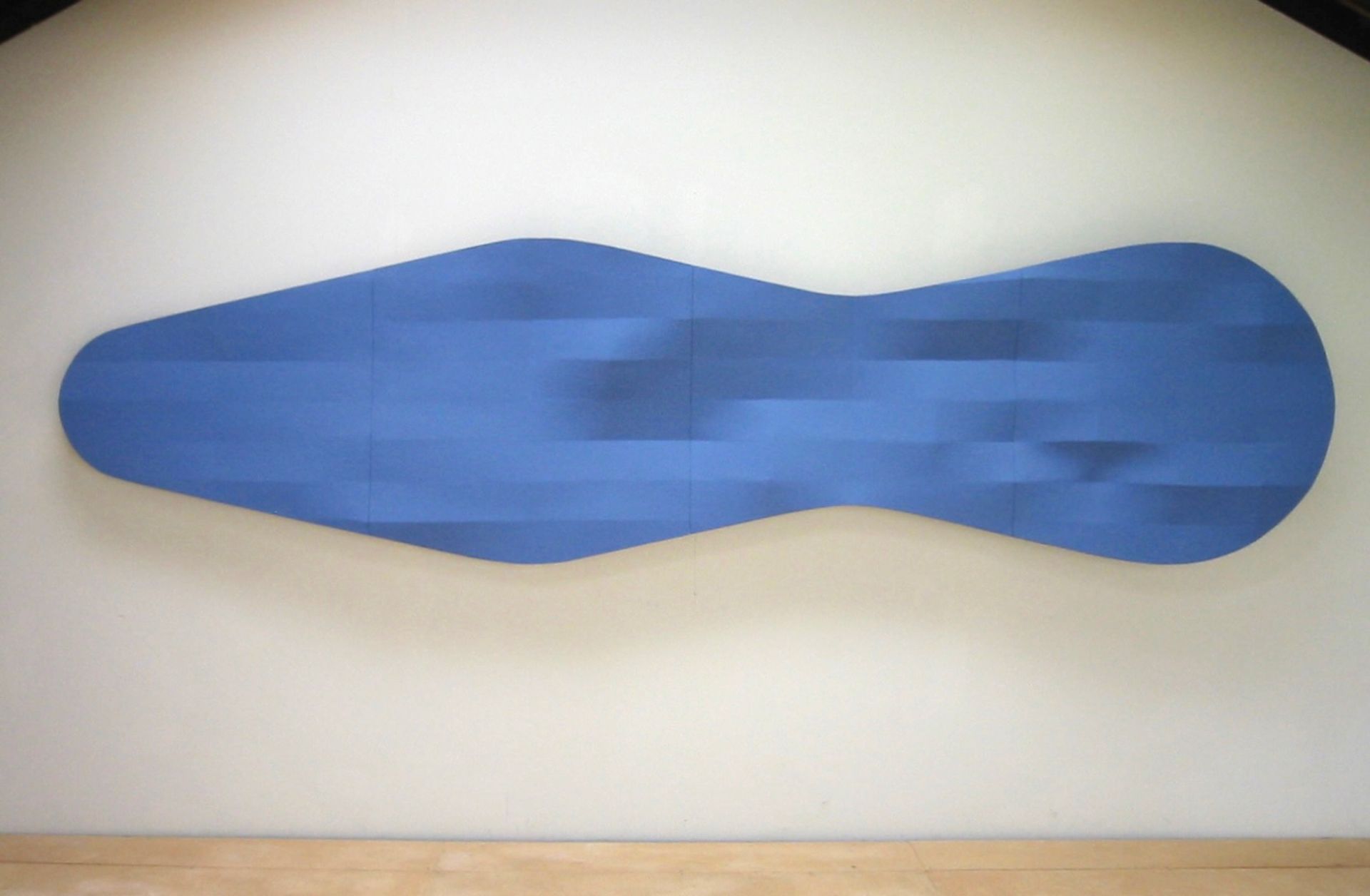
Oil on plywood
40 x 160 in.
It took me awhile -- maybe a year -- to realize that the shape alone would suffice. At first I painted in the patterns of lakes and vegetation and it looked wrong. Once the painted structure gradually morphed into a single color, the pieces began to work. The shapes all feature the rivers beautiful path -- hence each of the works is slightly furrowed and concave; pitcher-like.
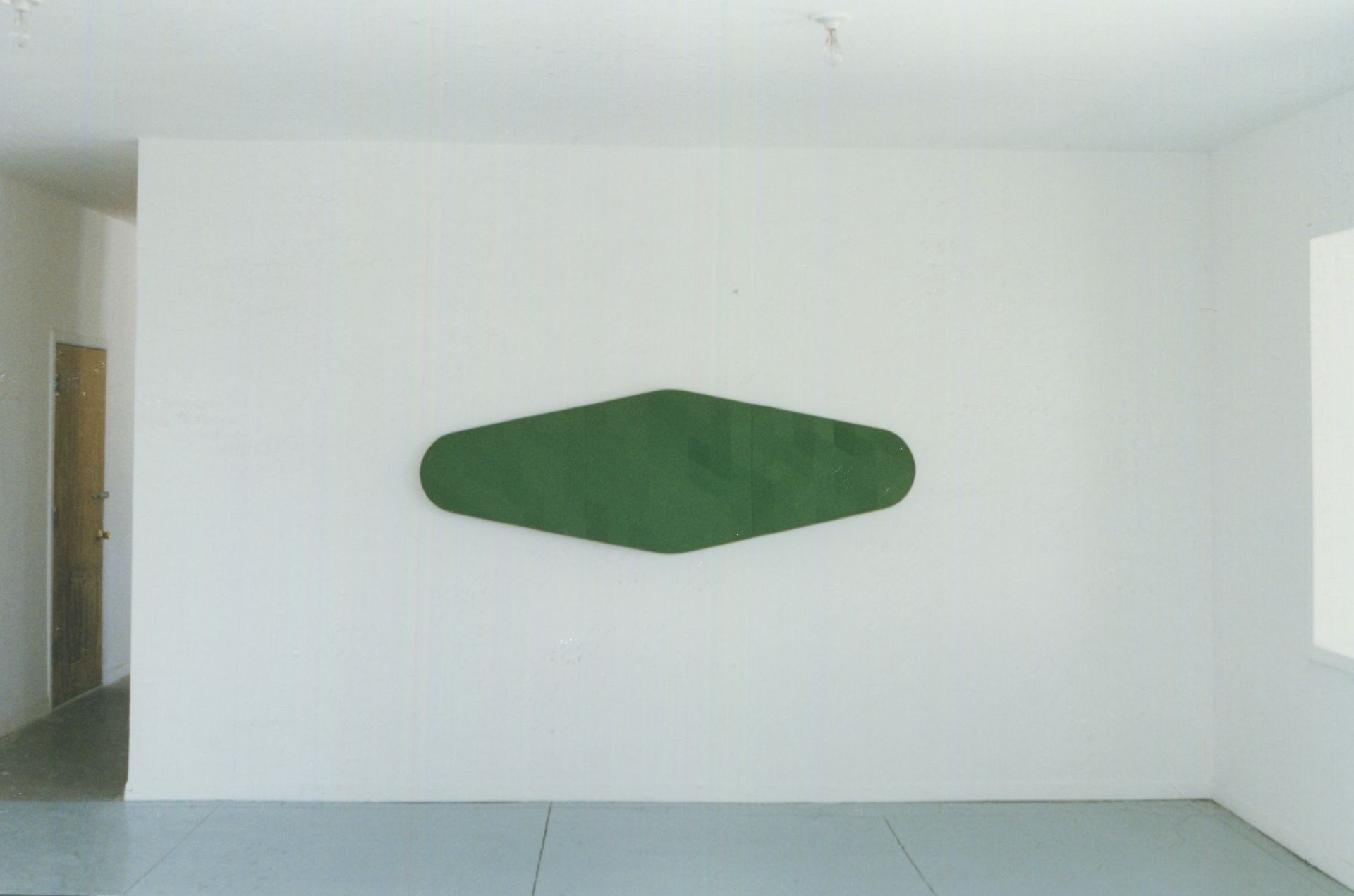
Oil on plywood
28 x 84 in.
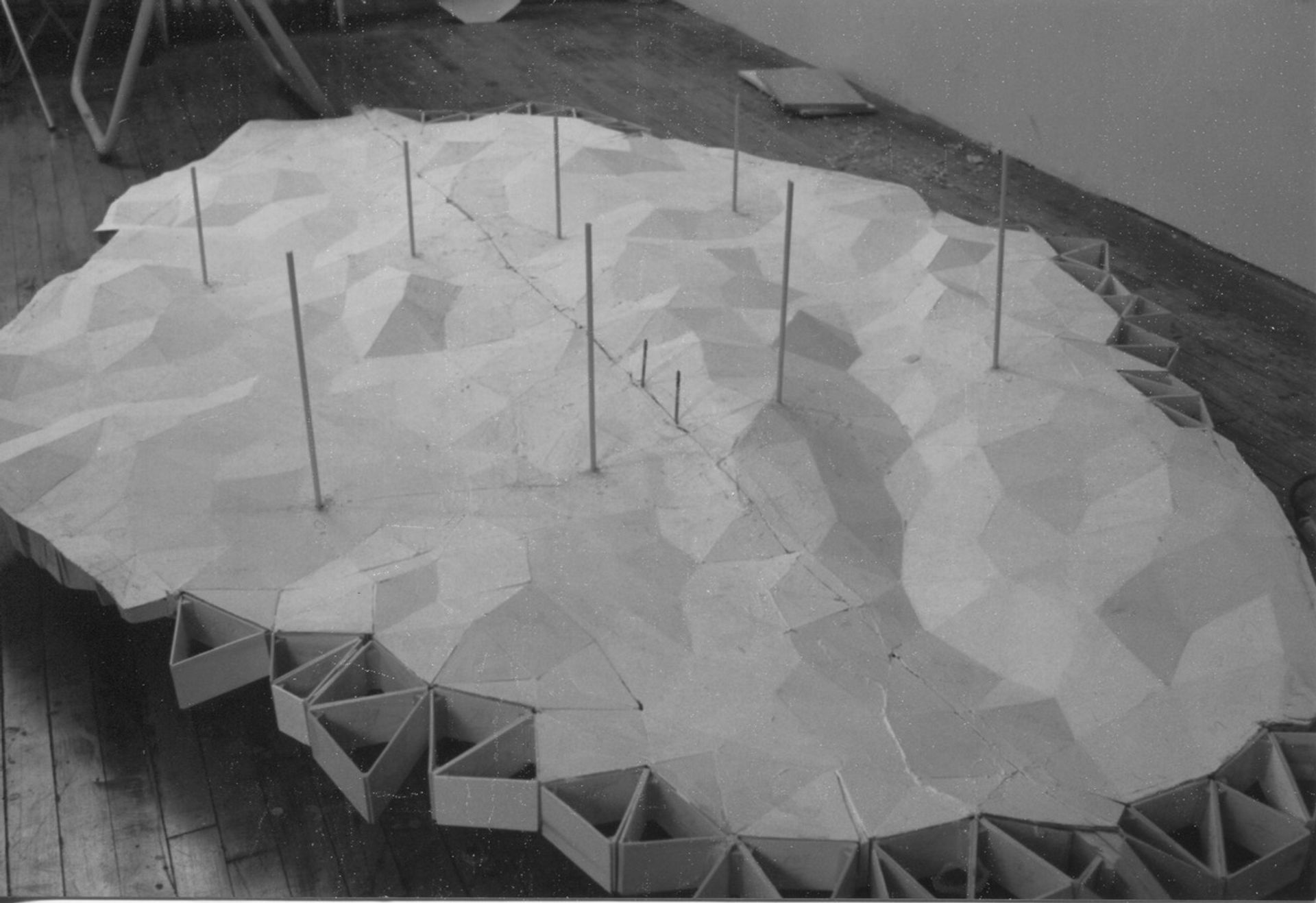
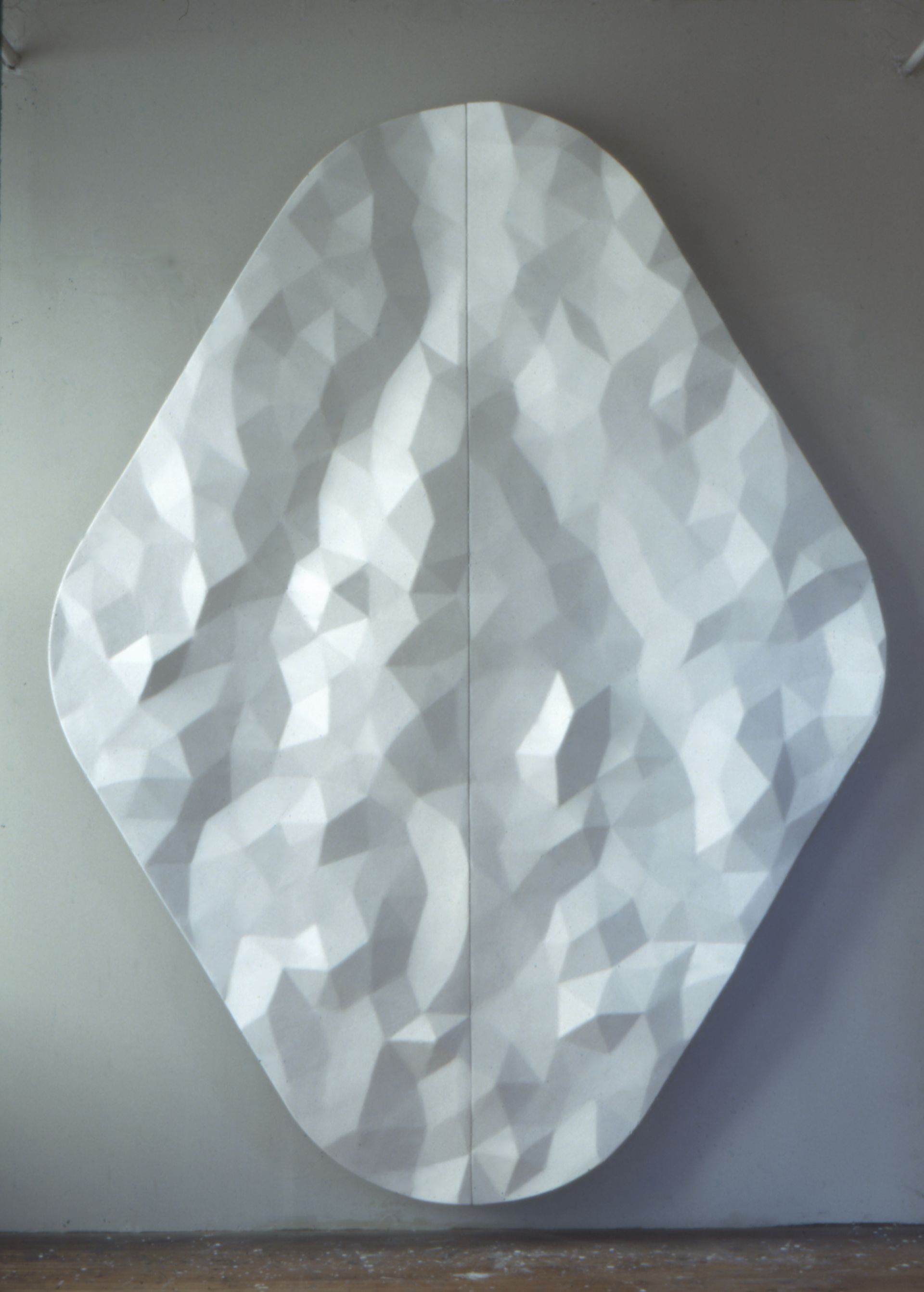
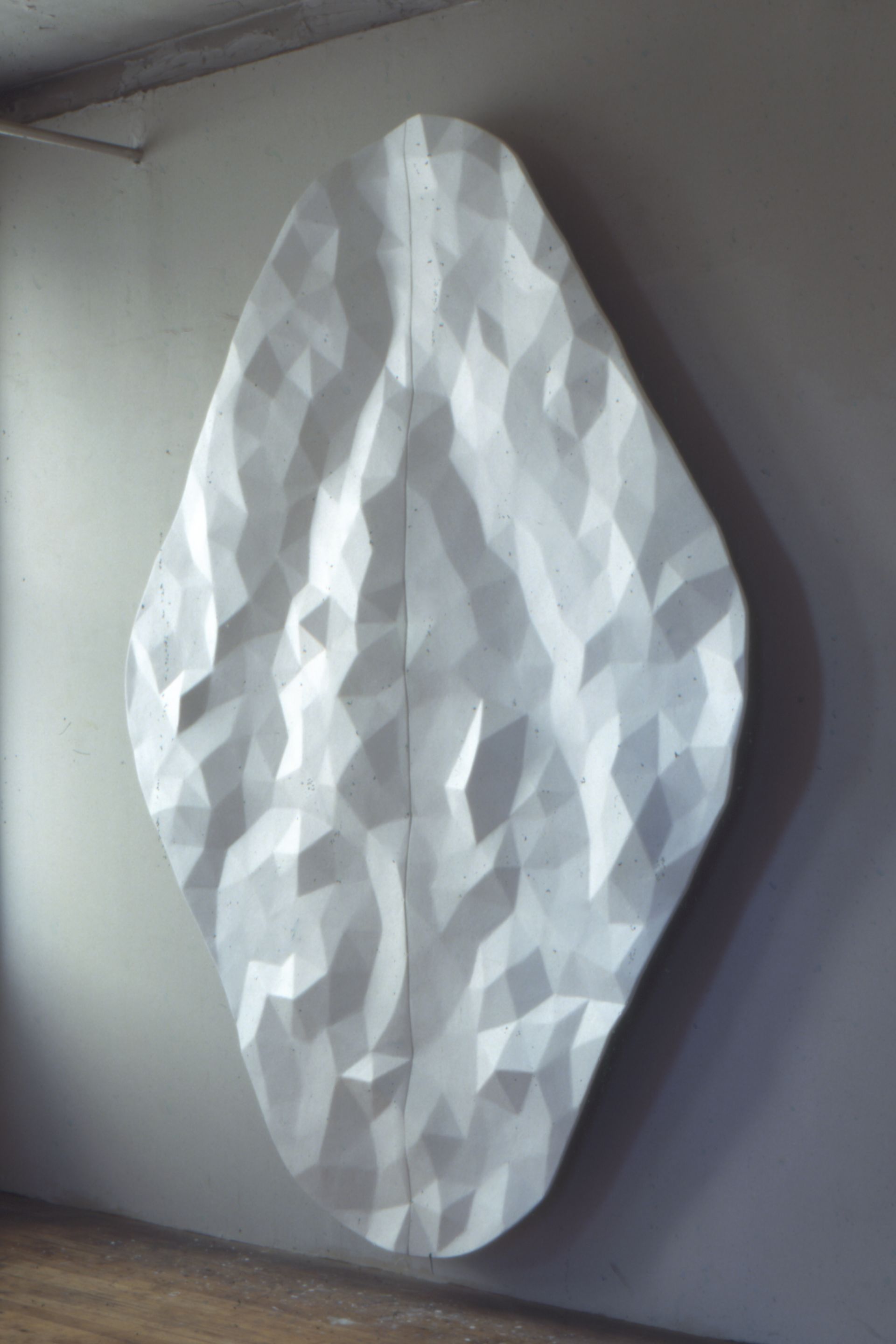
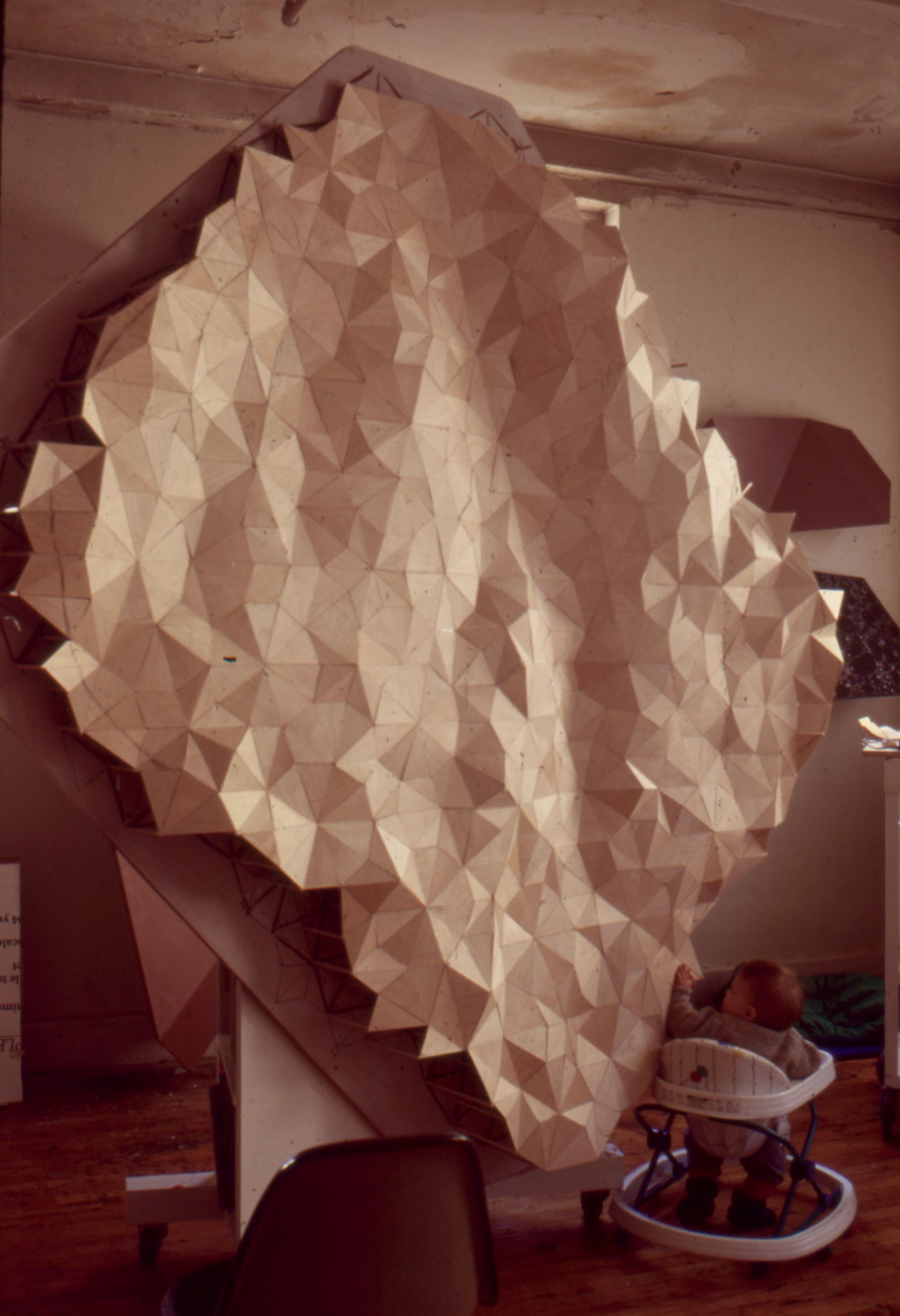
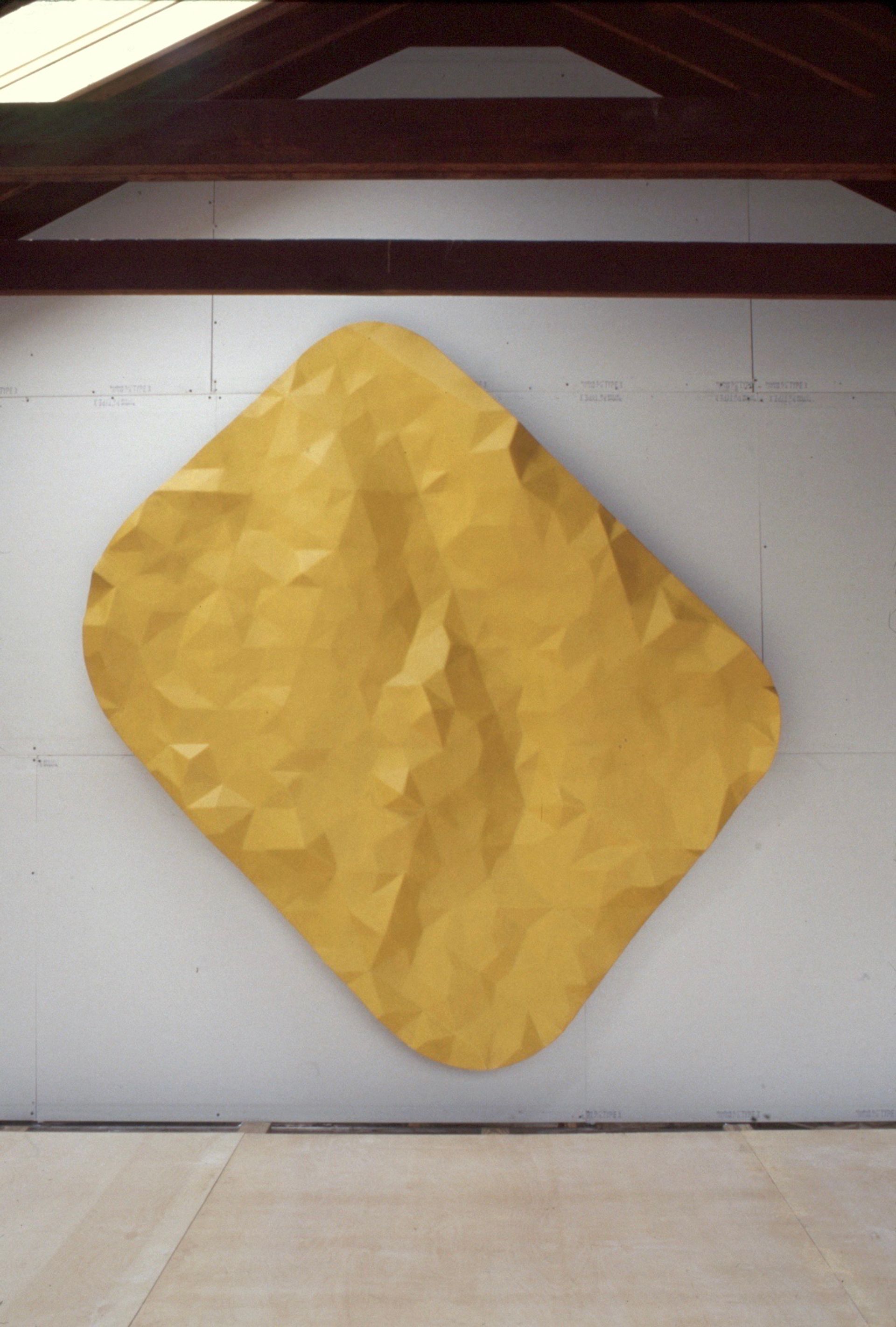
Oil on plywood
95 x 89 in.
The Tuolumne flows out of the upper left. Mt. Lyell is near the bottom. The scale of height to distance is correct.
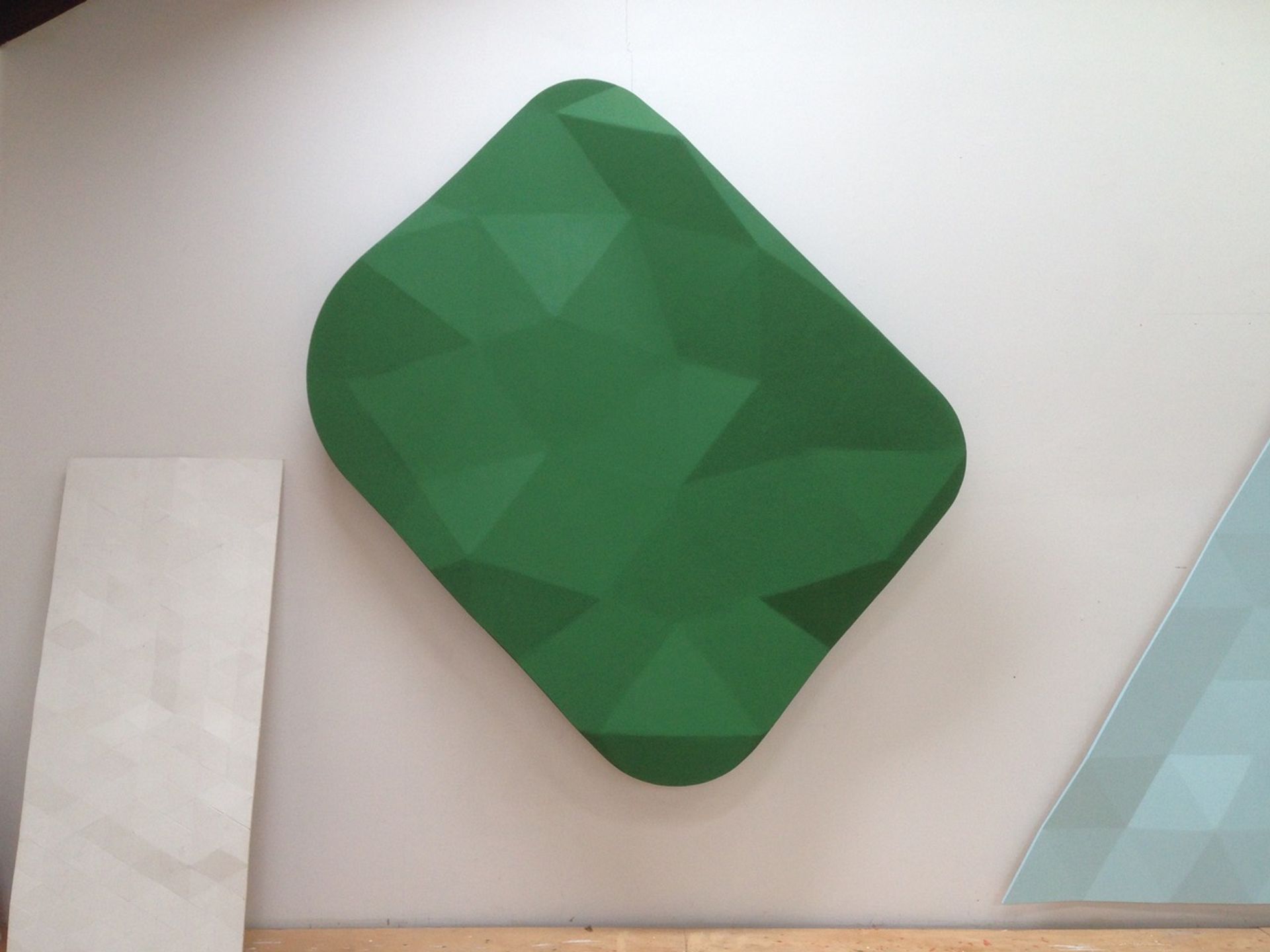
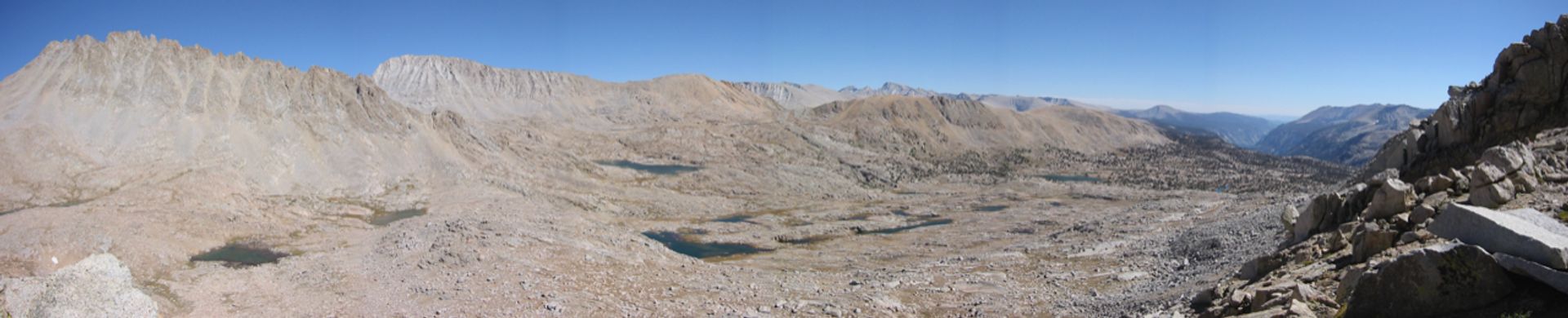
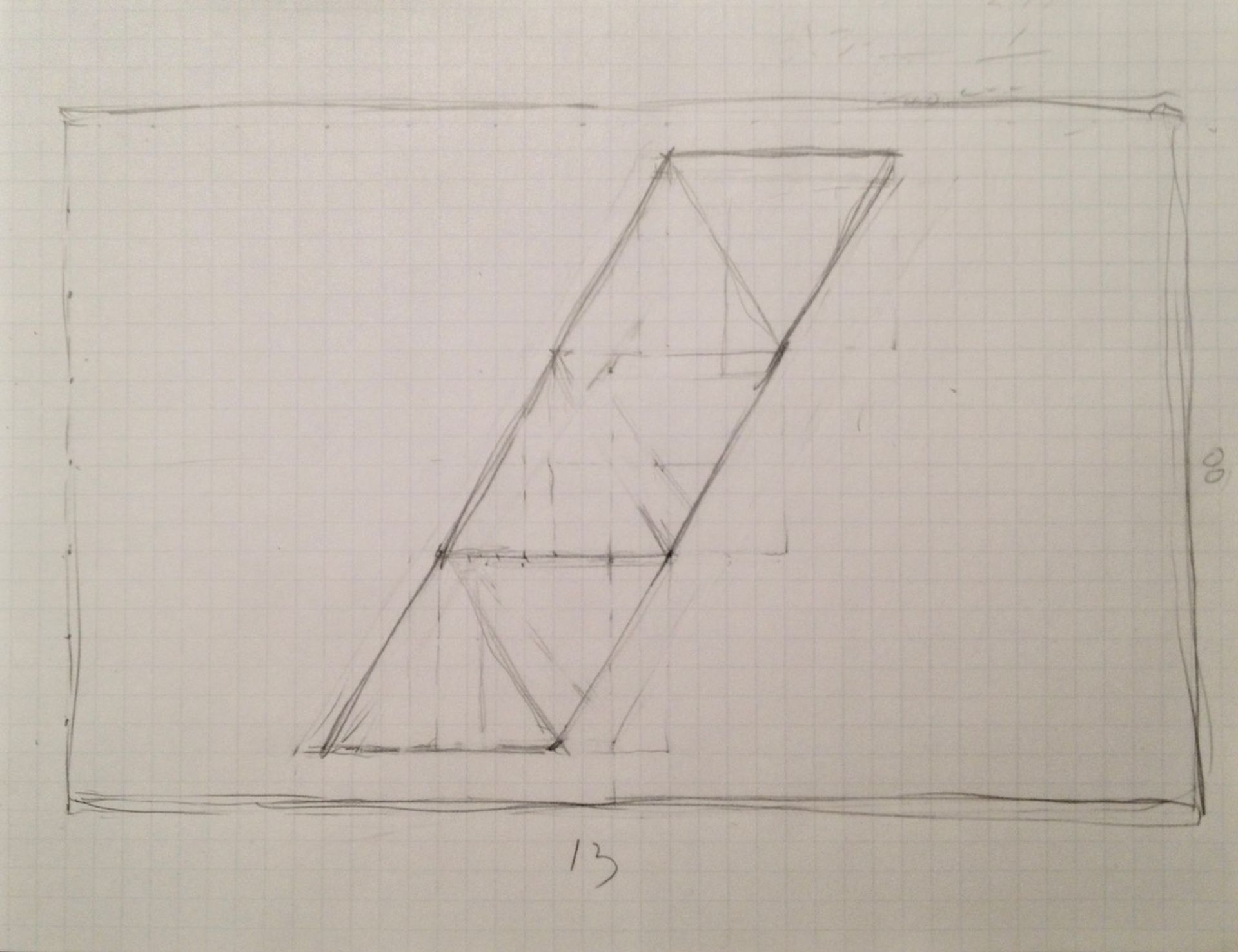
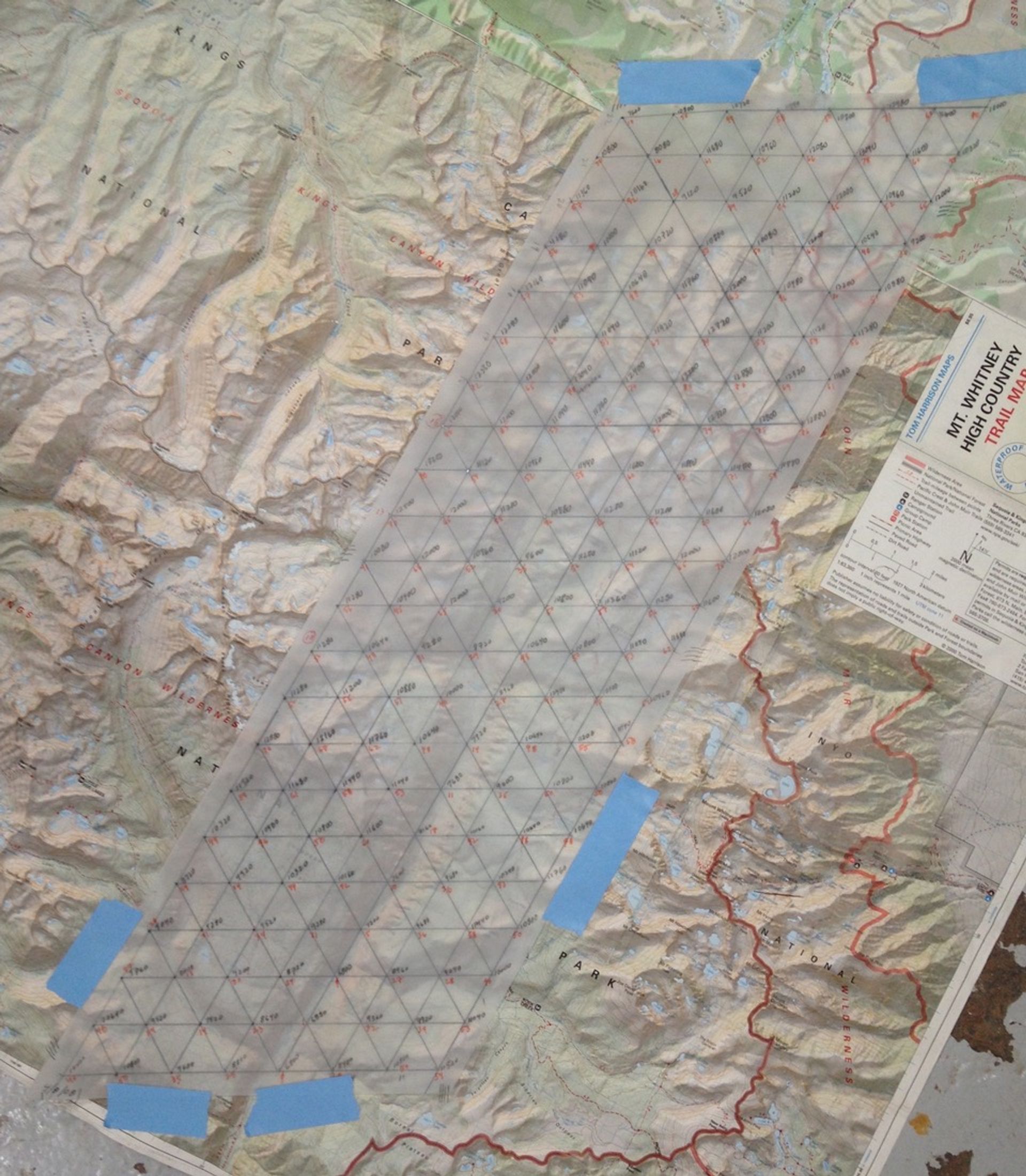
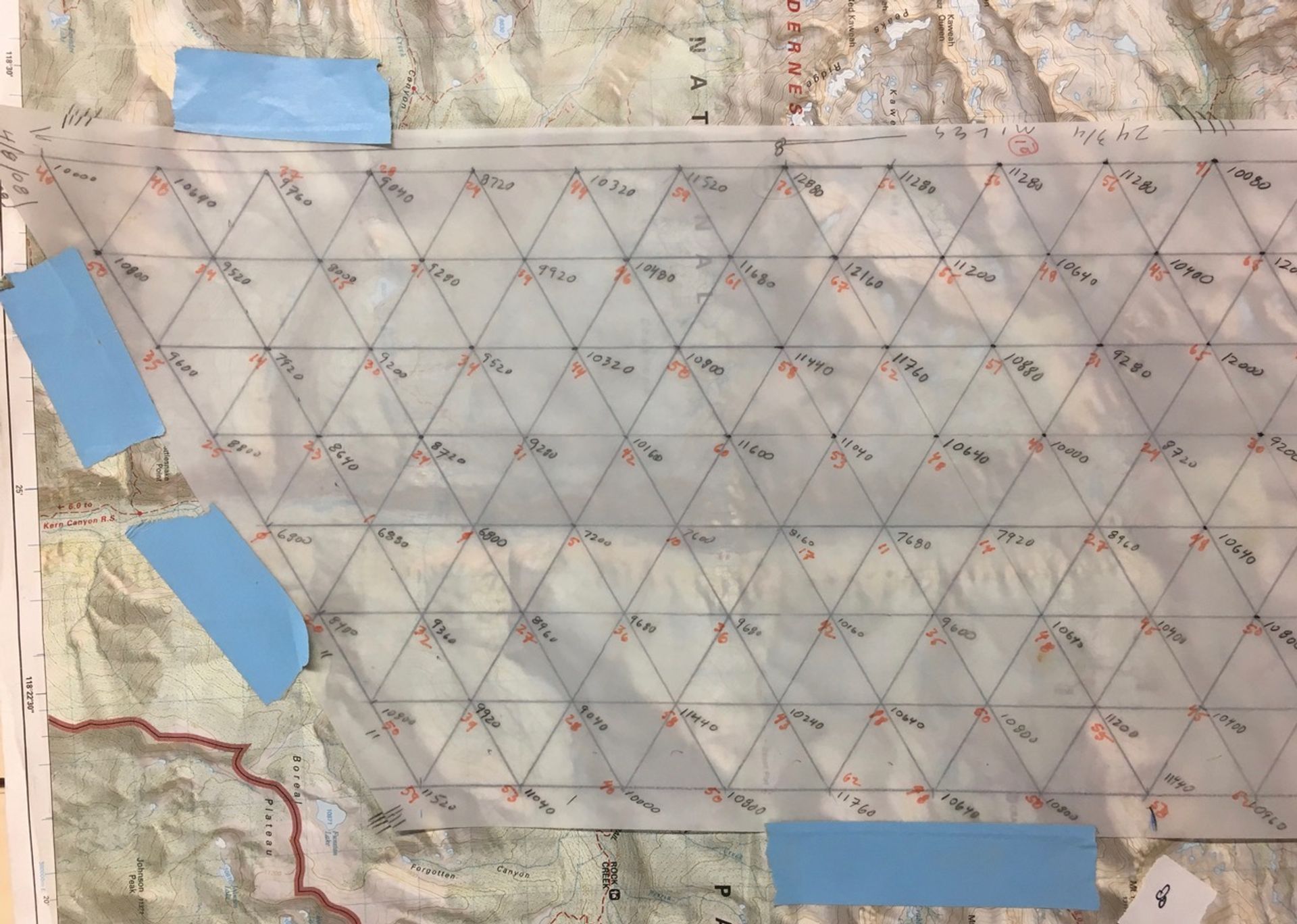
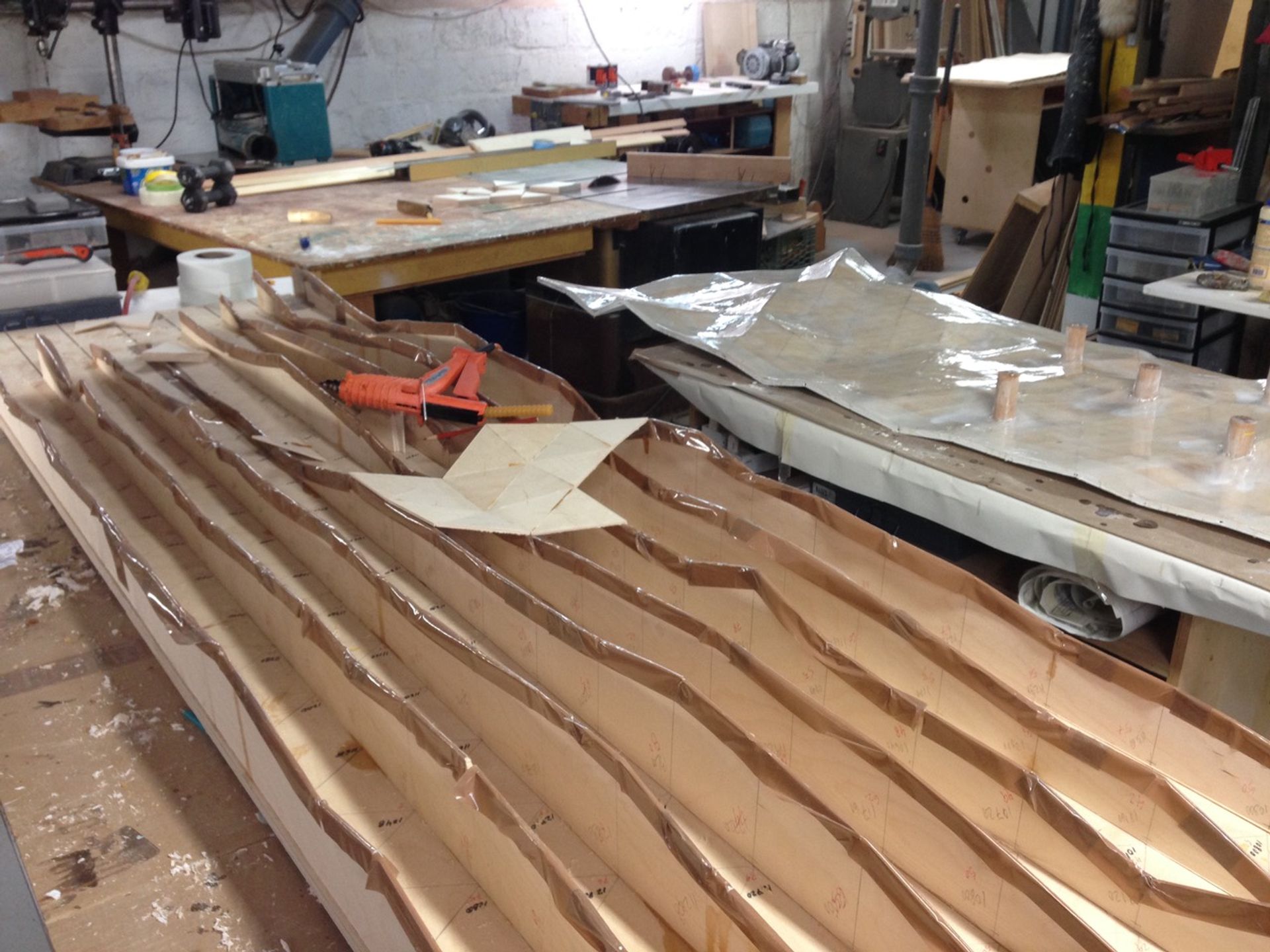
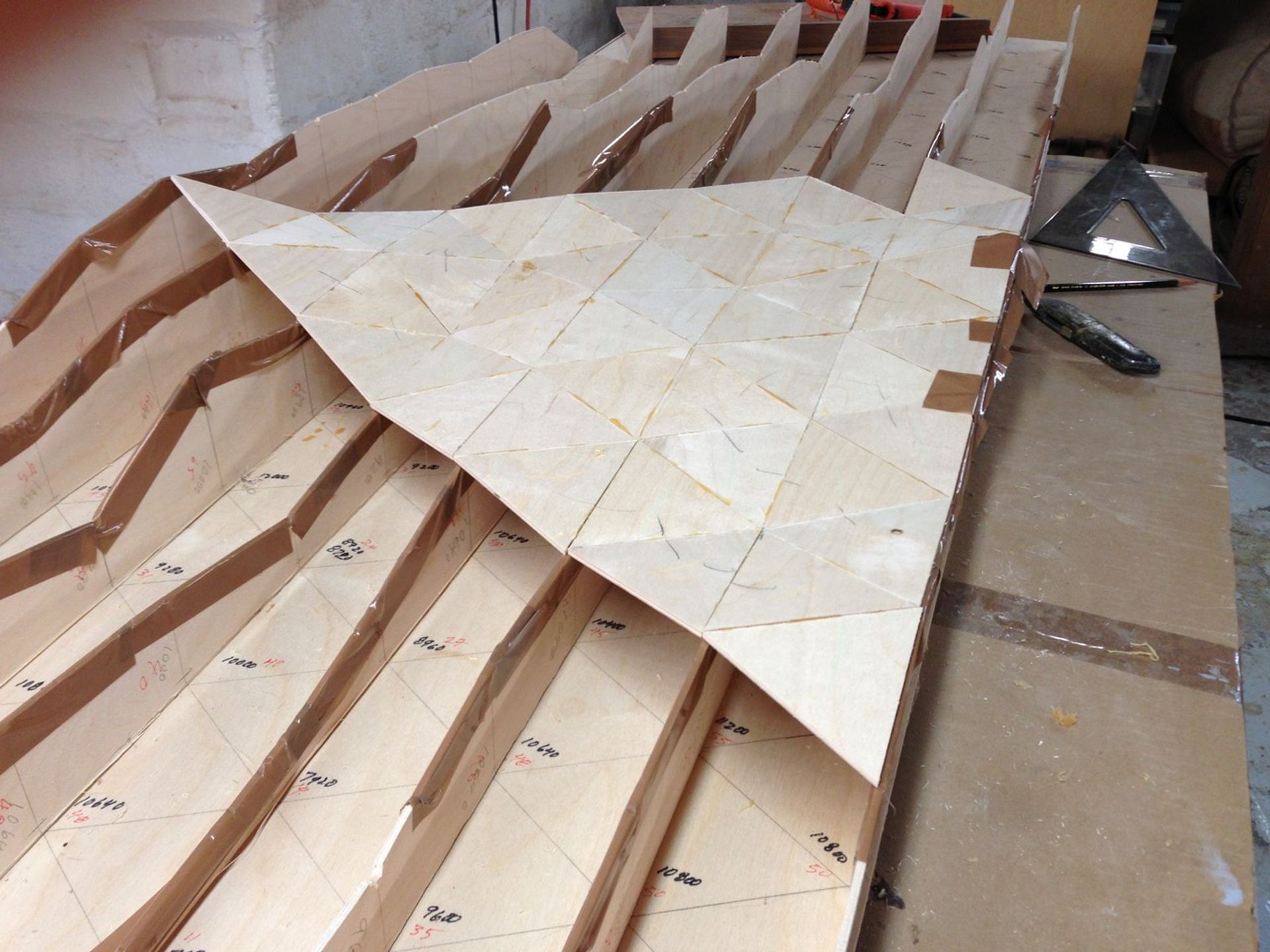
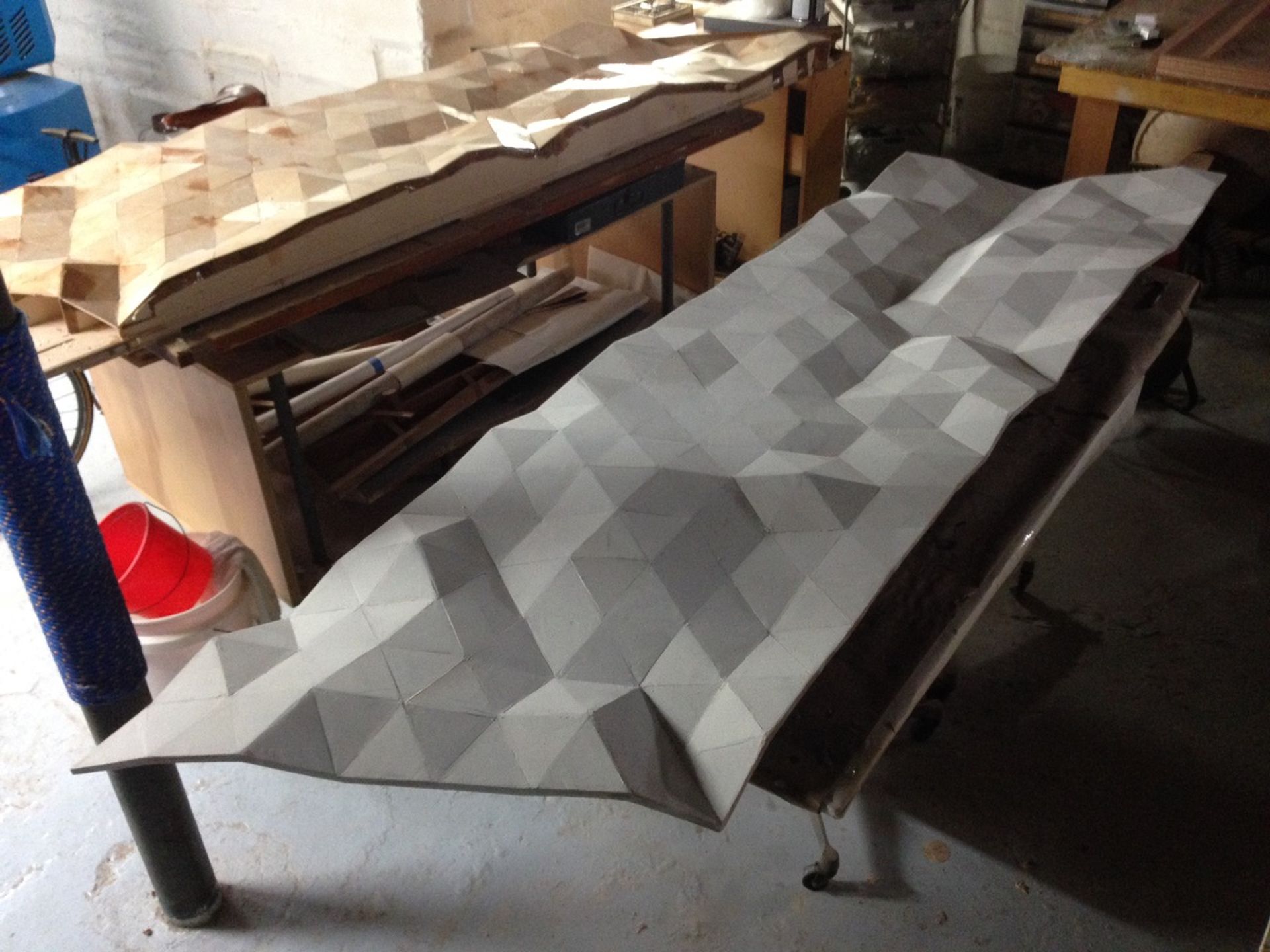
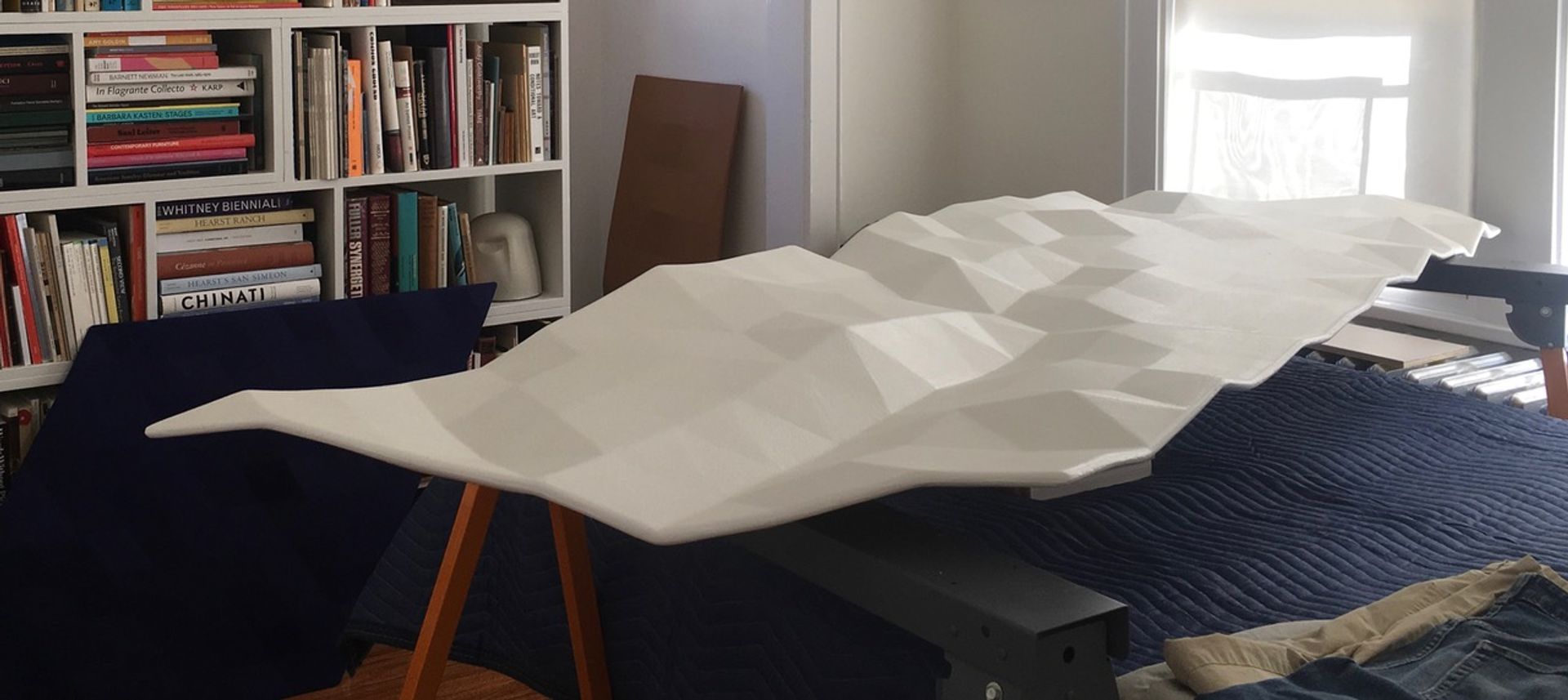
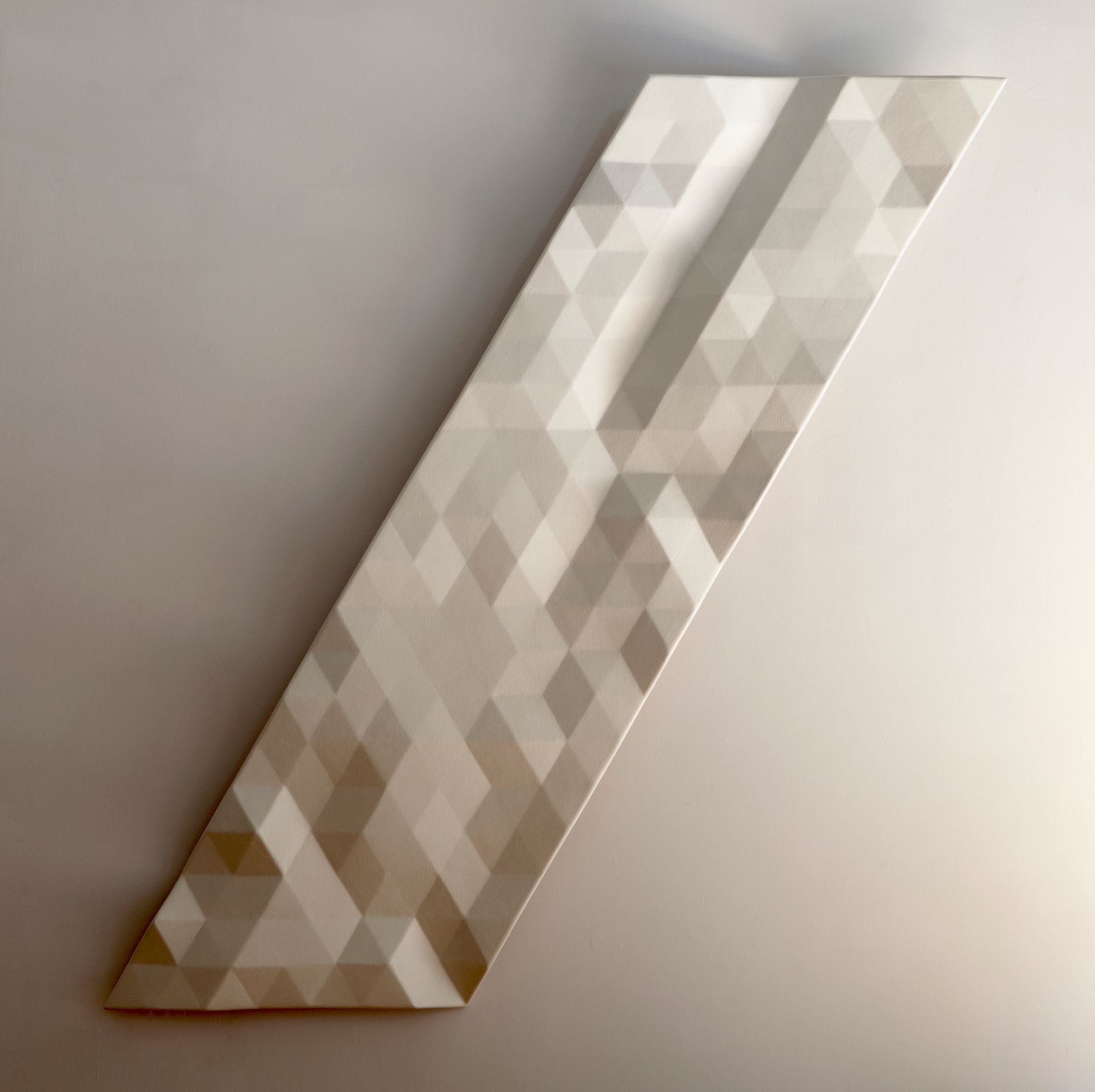
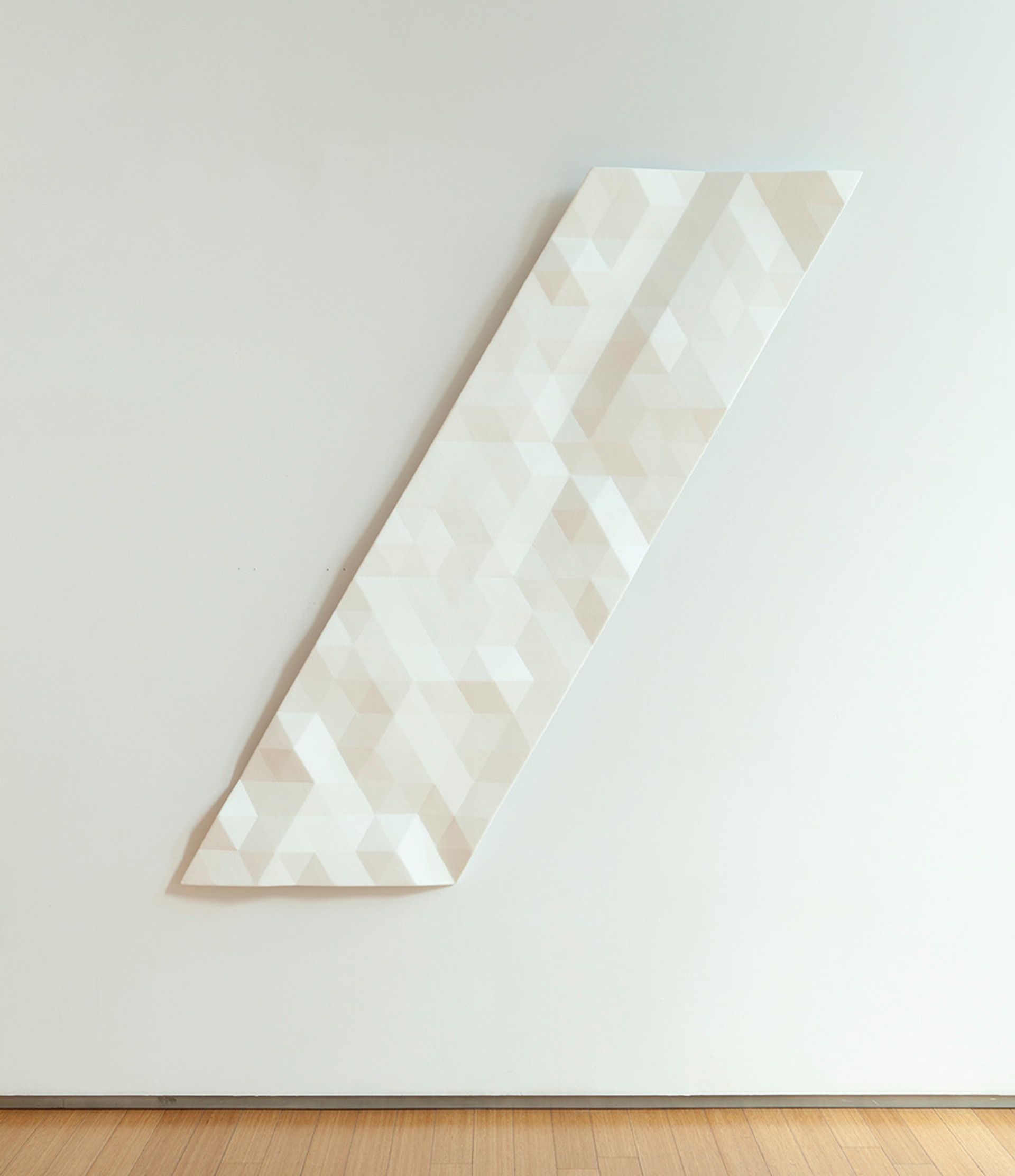
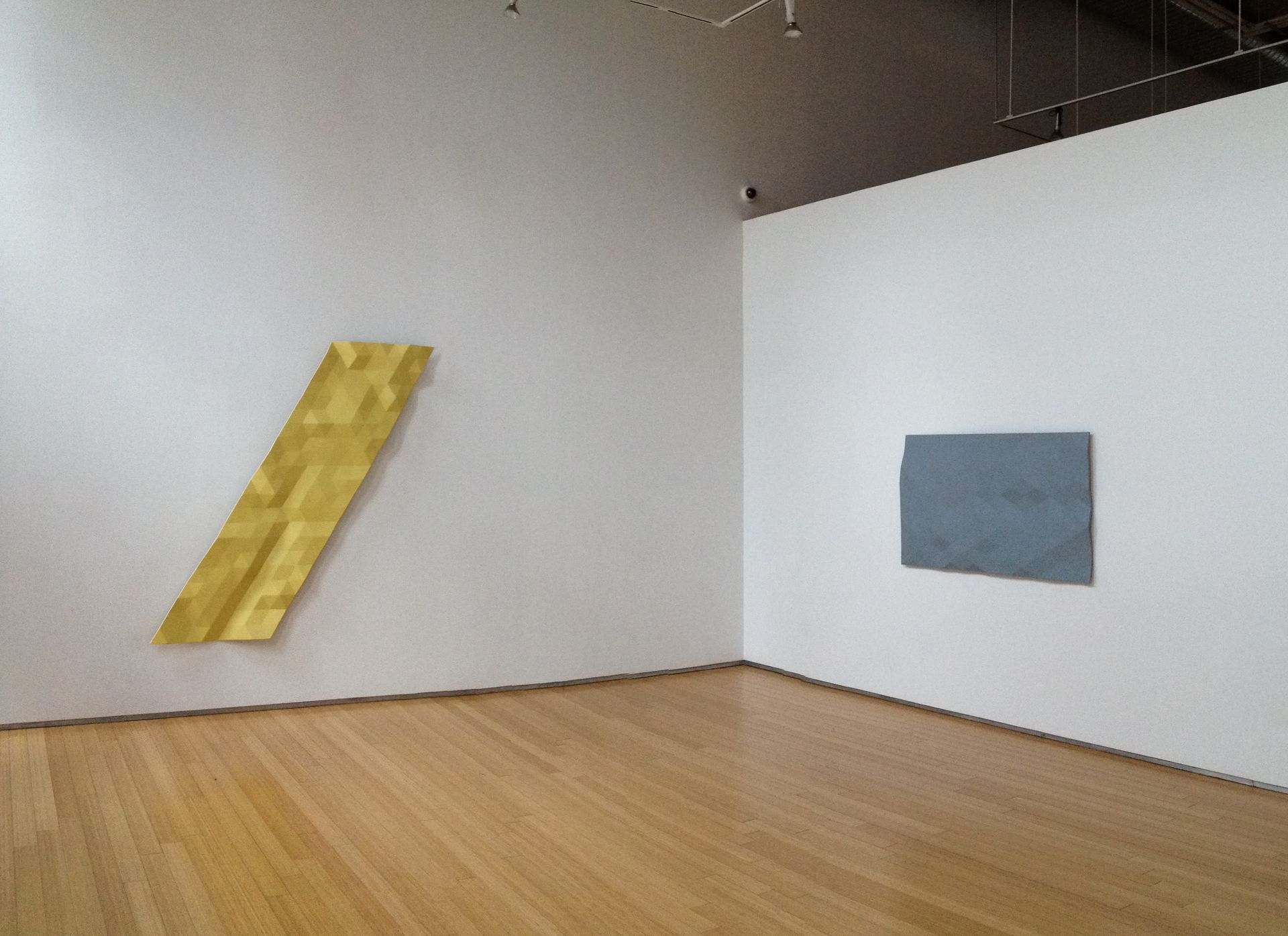
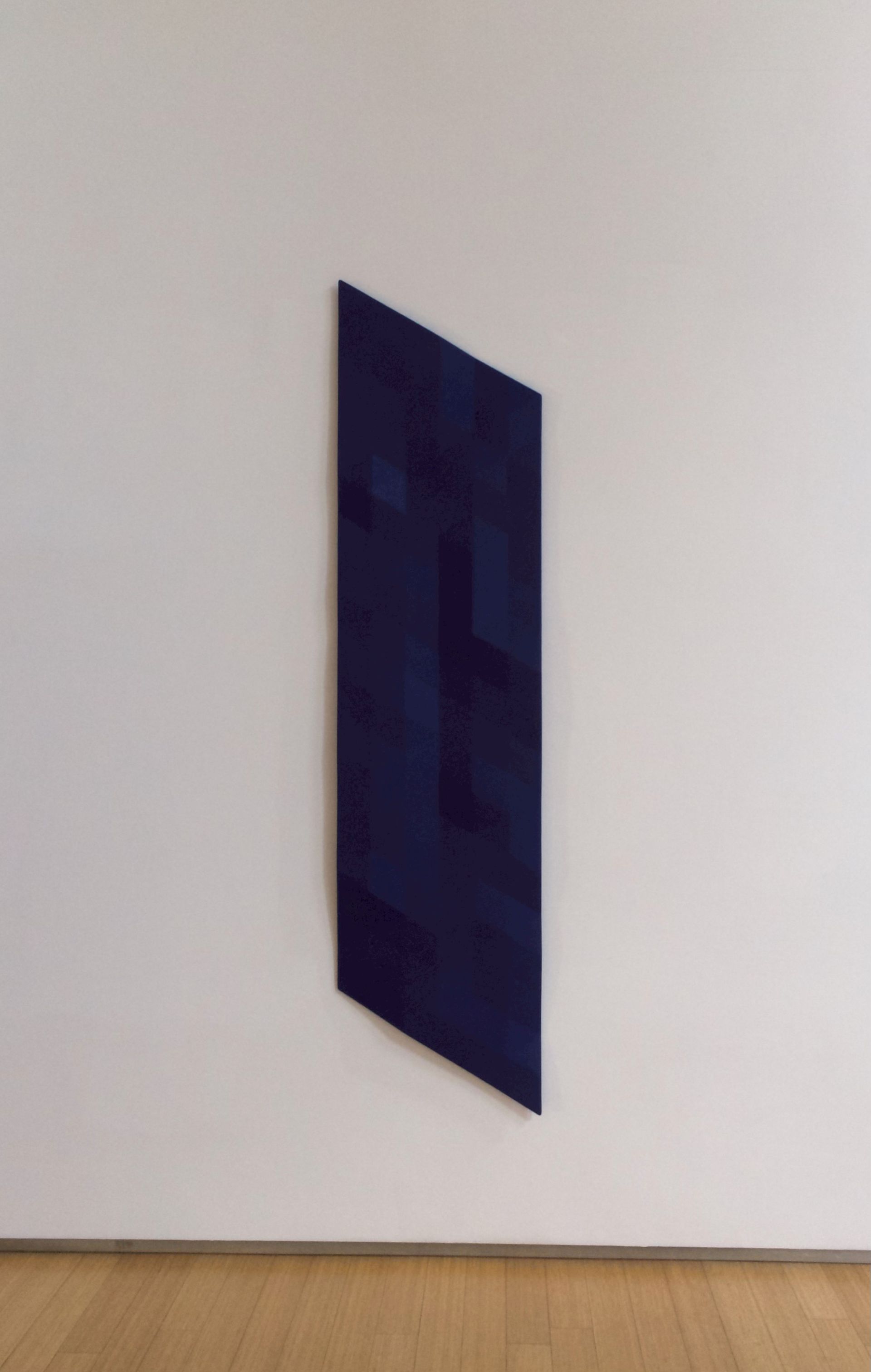
An Upper Kern River / ultramarine blue.
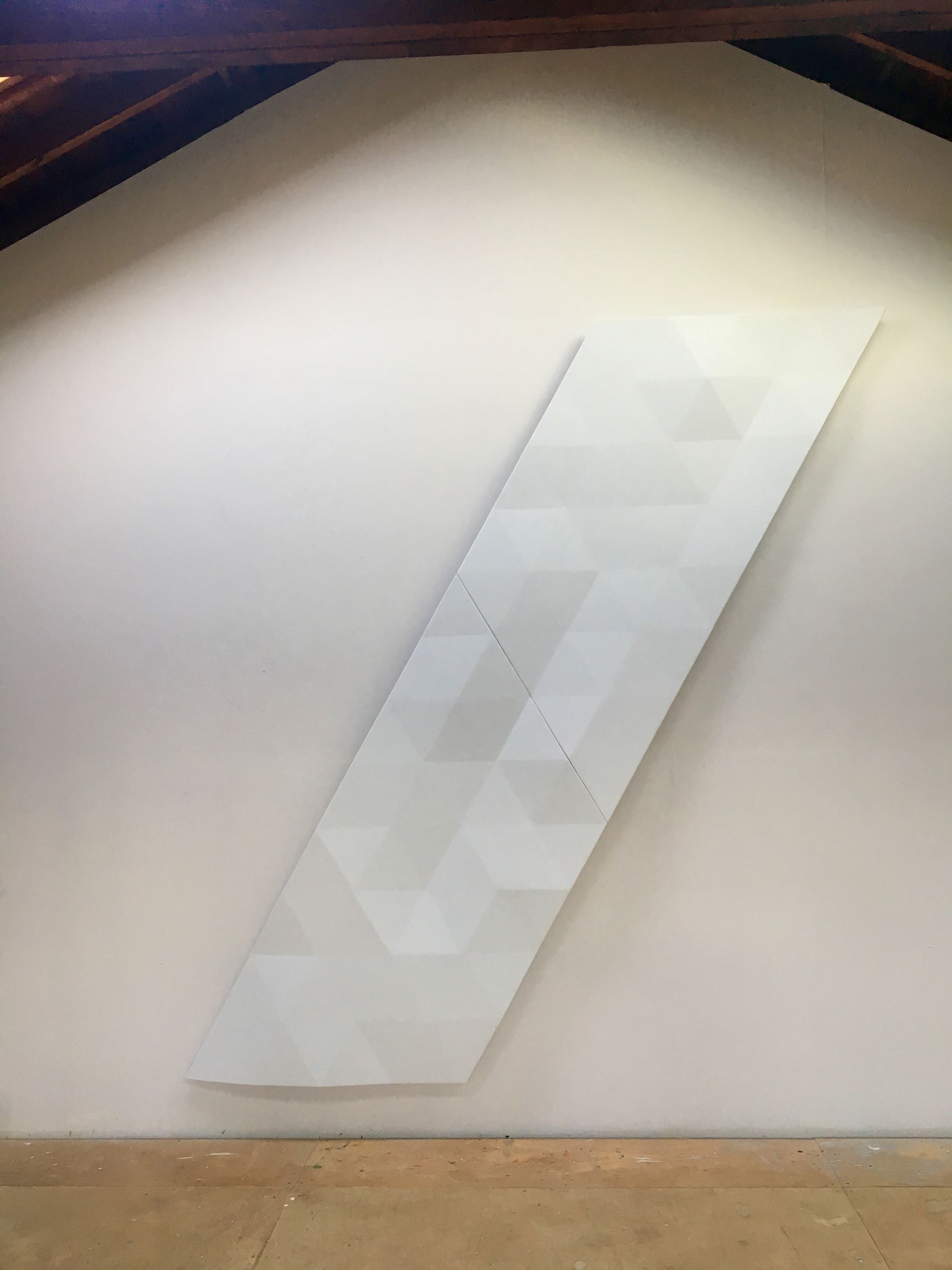
Upper Kern River / anthraquinone tint
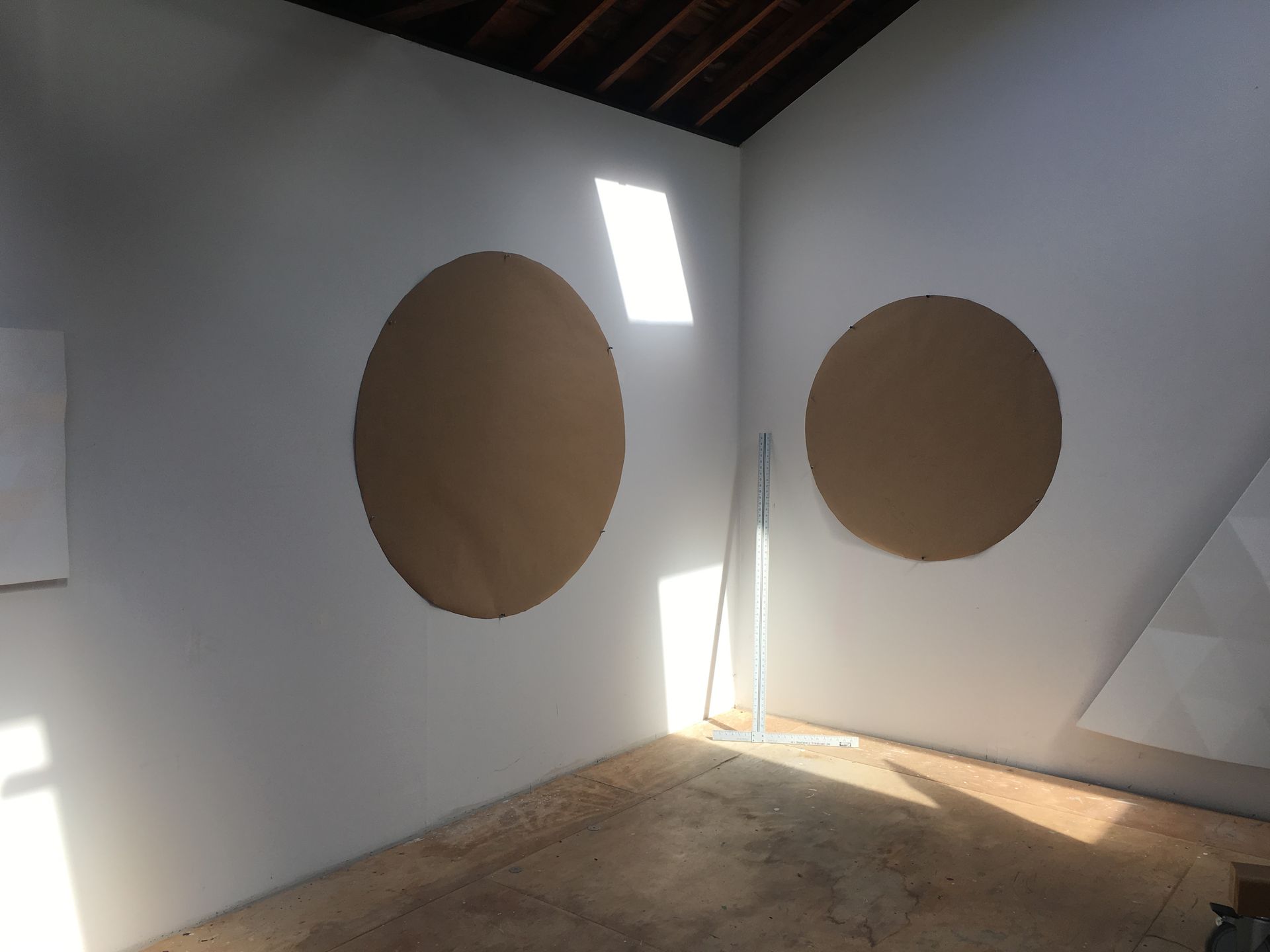
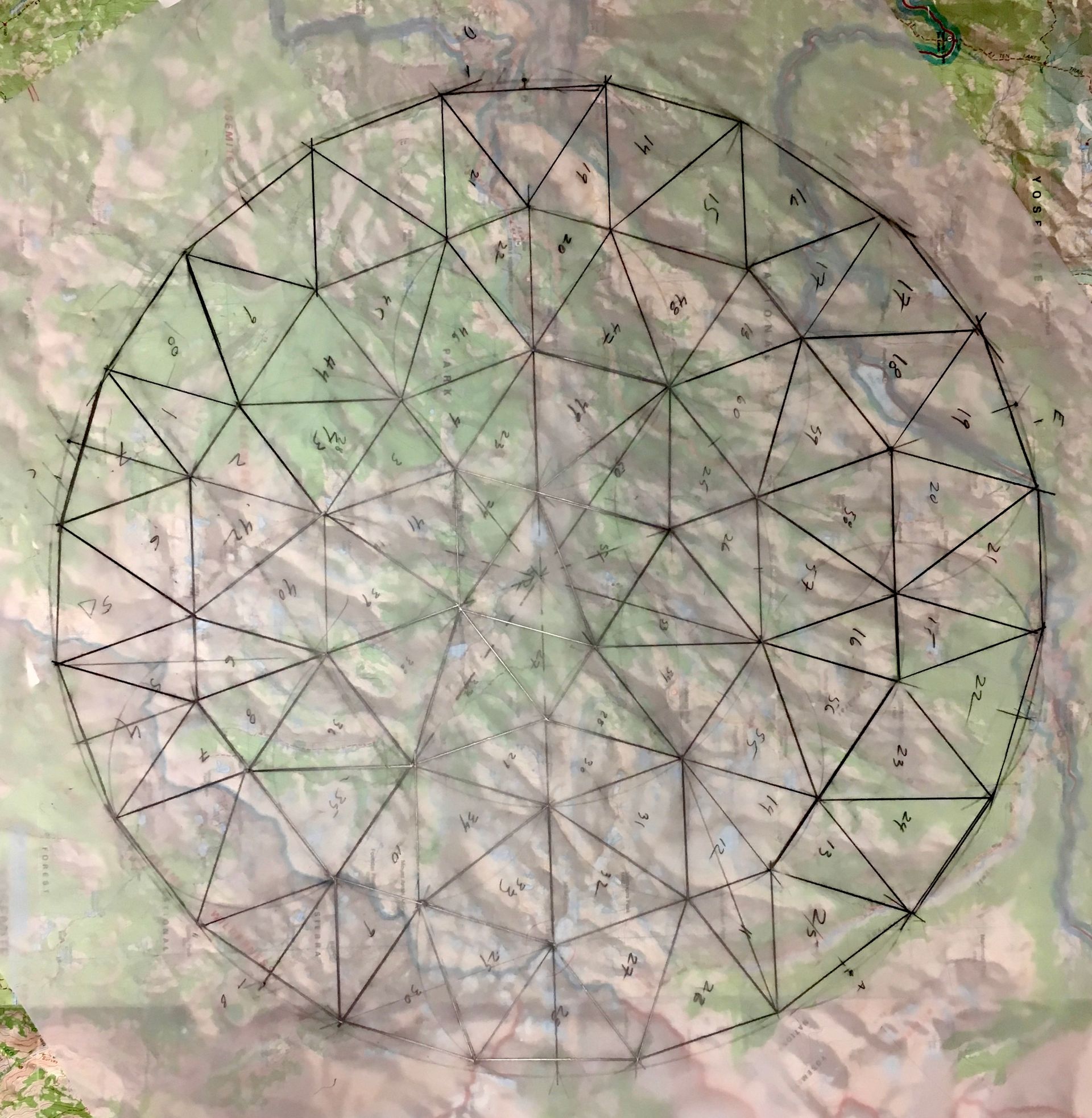
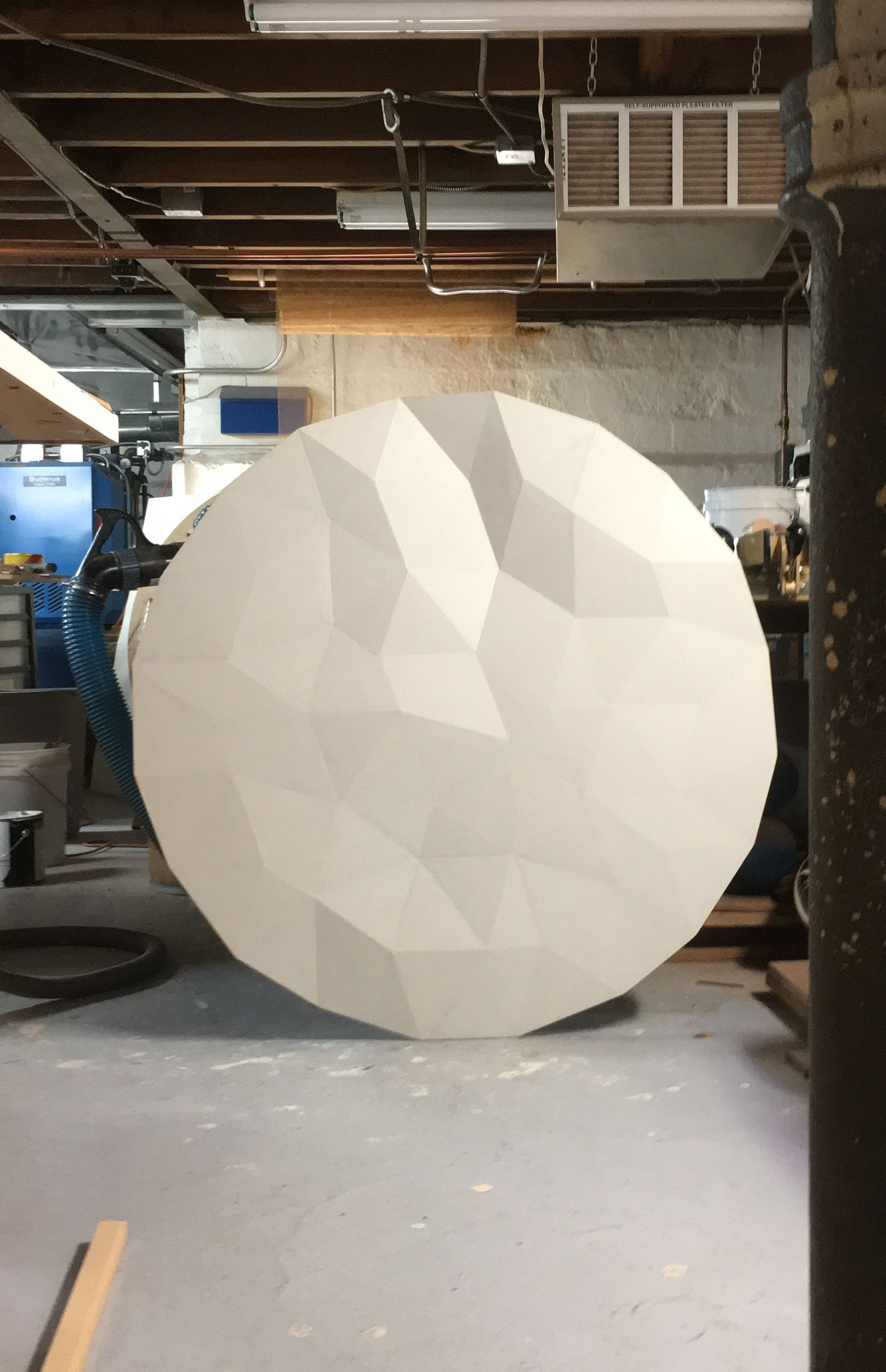
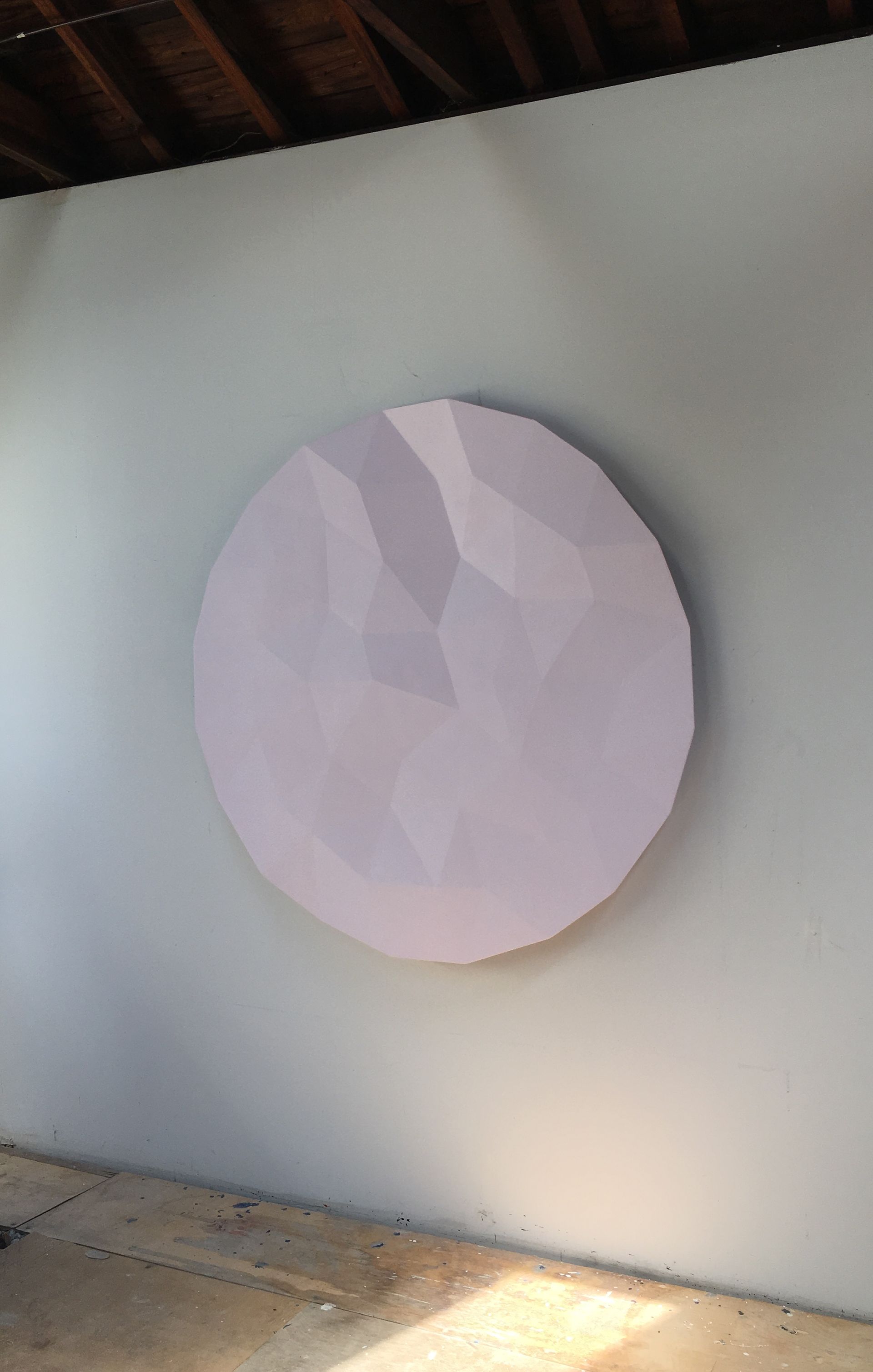
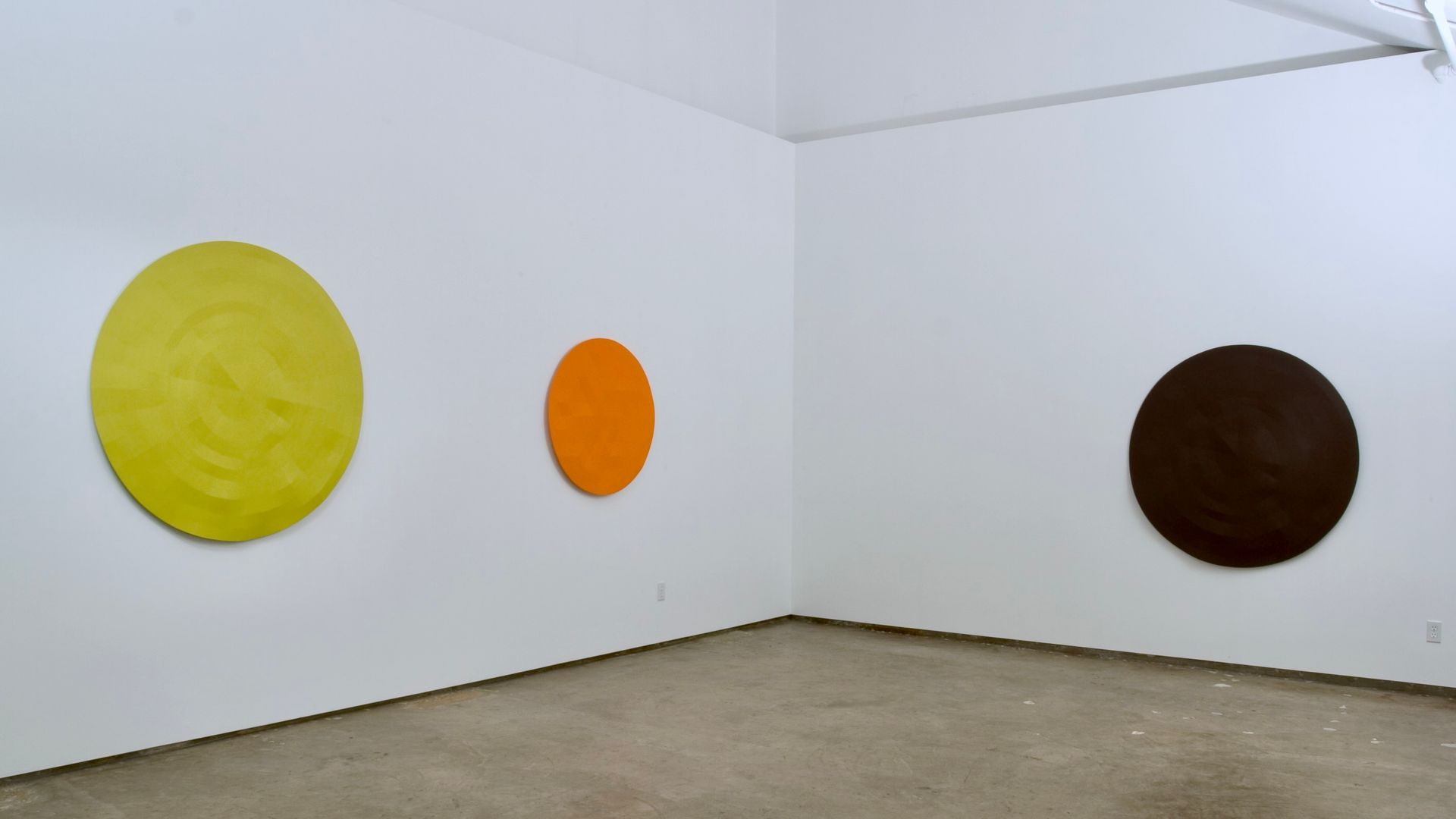
Just to give a better idea as to how they sit in a space.
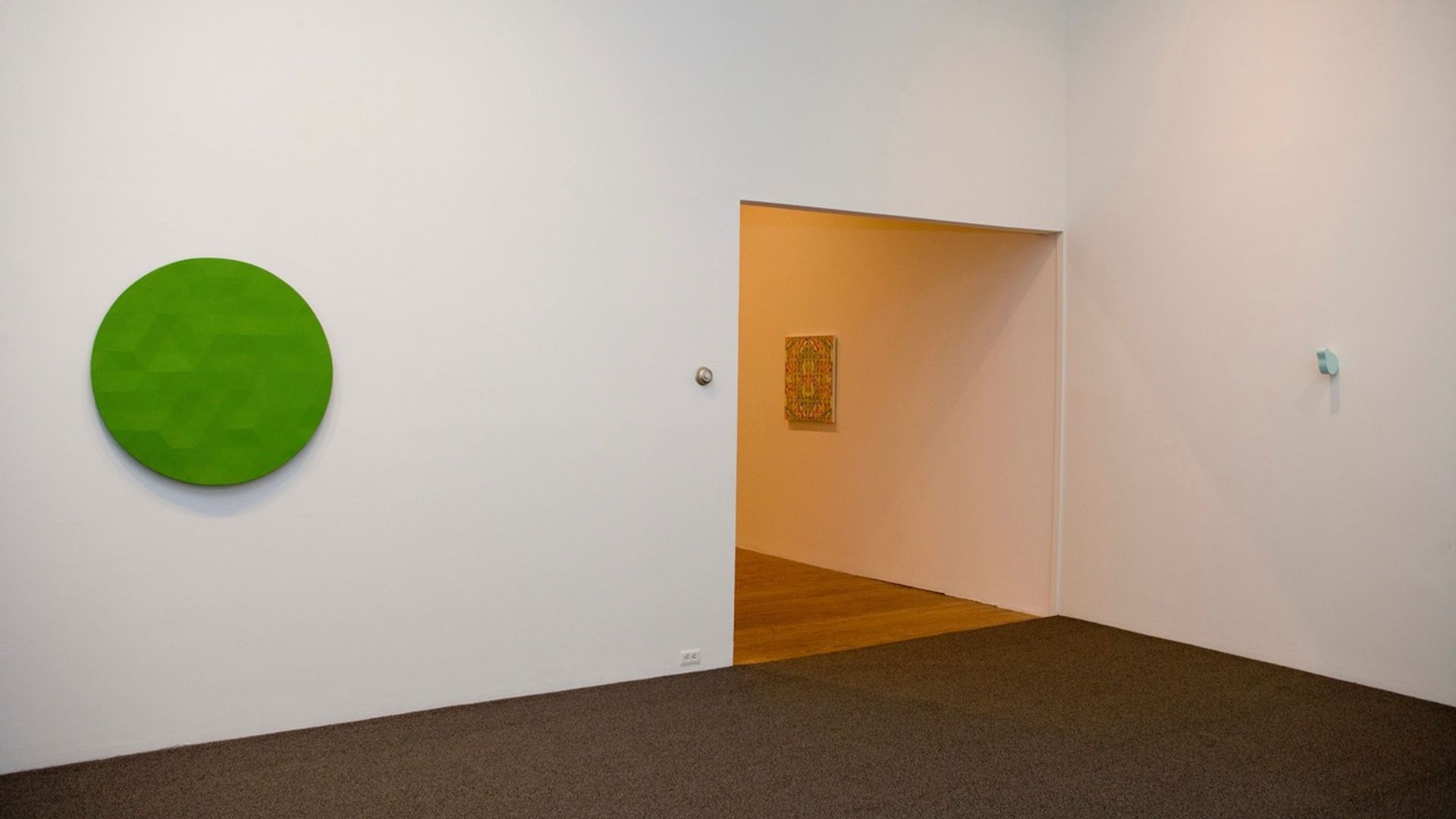
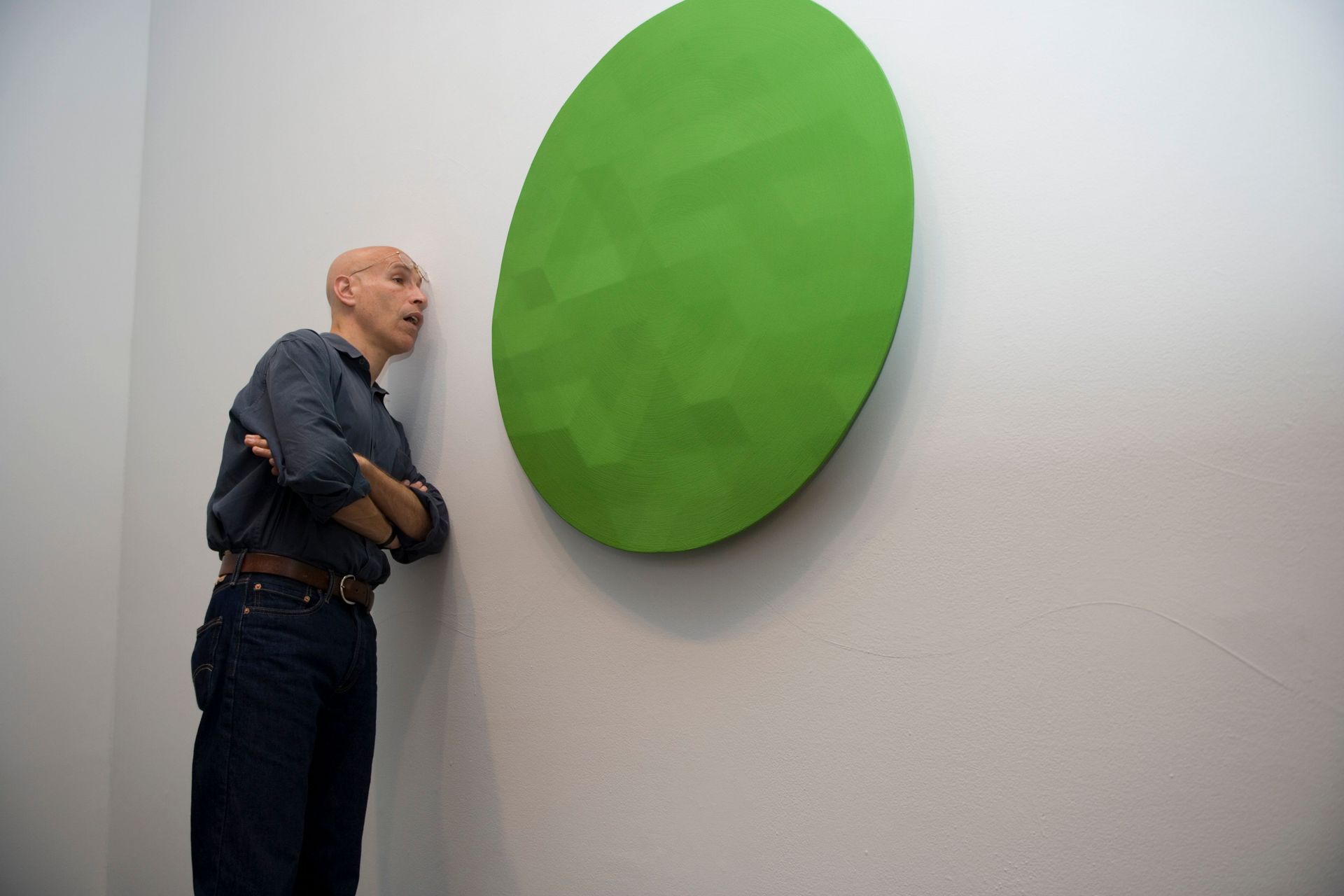
There you go!
Thank you for looking. We will miss this year's Chautauqua. Hope to catch the beautiful enterprise next year...
Still, I -- or we -- seem to spend a week or so each season in the Sierra. Should be back in Lee Vining in November if not sooner.